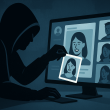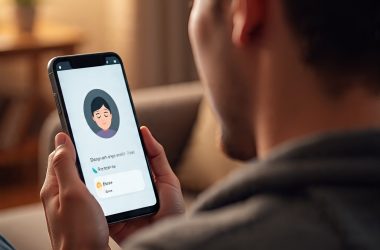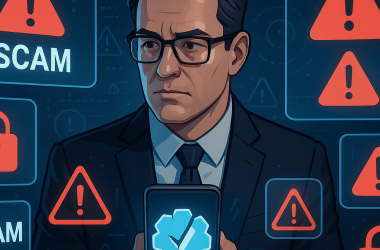



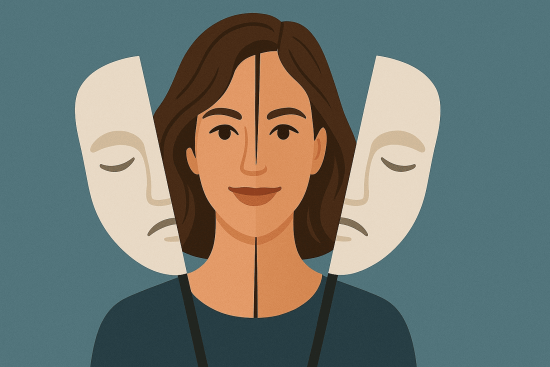
The world of online dating feels fast, exciting, and full of possibilities. You open an app hoping to meet someone genuine, someone who might understand you better than most people around you. But hidden behind this excitement is a quiet danger most people underestimate: fake profiles.
These fake profiles are not always obvious. They blend in, they mimic real users, and they understand exactly how to earn your trust. That is why, even in 2025, fake profiles still fool millions of users worldwide.
Fake profiles do not appear with loud warnings. They enter your messages gently, disguised as the exact person you’re hoping to meet. That subtle approach is what keeps users falling for them.
Why Fake Profiles Feel So Real
Fake profiles are designed with intention. Scammers and bots invest time and creativity because they know one simple truth: people trust what feels familiar.
A convincing profile usually contains:
• Clear, attractive photos
• Short but relatable bio lines
• Common interests
• Friendly language that feels personal
These elements create a story. And stories trigger emotions. Once emotions get involved, logic takes a step back.
Fake profiles fool users not because people are naïve, but because the human mind responds deeply to attention and connection.
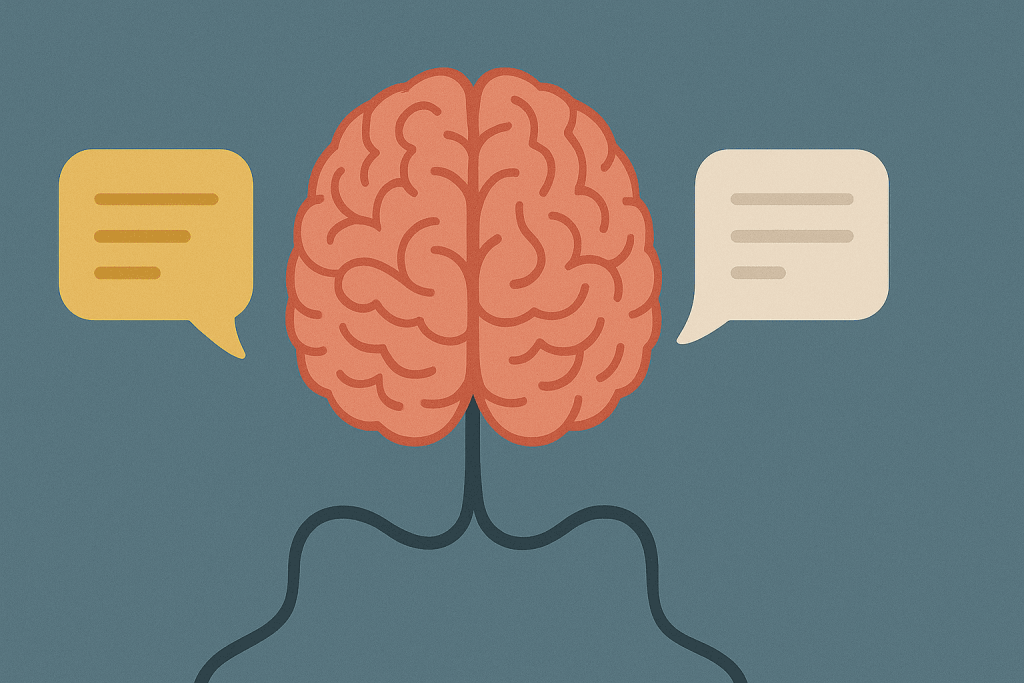
The Psychology Behind Why Fake Profiles Work
Understanding the psychology helps explain why fake profiles continue to succeed.
Emotional Bias
When someone receives attention, validation, or compliments, they naturally want to believe it is real. Fake profiles use this emotional bias to keep users engaged.
Curiosity Effect
Many fake profiles remain slightly mysterious, which triggers natural curiosity. Humans want to fill in the gaps, pushing them to continue conversations even when something feels off.
Relationship Projection
People often project what they want to see. If they want love, they see potential romance. If they want companionship, they see compatibility. Fake profiles take advantage of this emotional hopefulness.
These psychological triggers work even on smart, careful users. Fake profiles succeed because they understand emotions better than algorithms understand logic.
Types Of Fake Profiles That Still Fool Users
Fake profiles are no longer limited to simple bot accounts. Newer versions have become more advanced, human-like, and emotionally manipulative.
AI-Generated Fake Profiles
These are the most dangerous ones because they:
• Use AI-generated photos
• Write human-like messages
• Respond instantly
• Maintain natural conversation flow
They are built to sound like real people, making detection extremely difficult.
Romance Scammers
These fake profiles target emotions. They build trust over weeks and then ask for money or personal information. They are patient, strategic, and trained to manipulate.
Social Engineering Profiles
These accounts don’t want money; they want access. Their goal may be login credentials, personal data, or hacking opportunities.
Catfishing Profiles
Catfishing uses real people’s photos without permission. These accounts are often created for emotional control, attention, or revenge.
Automated Bot Profiles
Basic, but still effective. They target inexperienced users and direct them to unsafe links.
Each type is different, but they all share one skill: they know how to appear real.
Signs That Fake Profiles Use To Fool Users
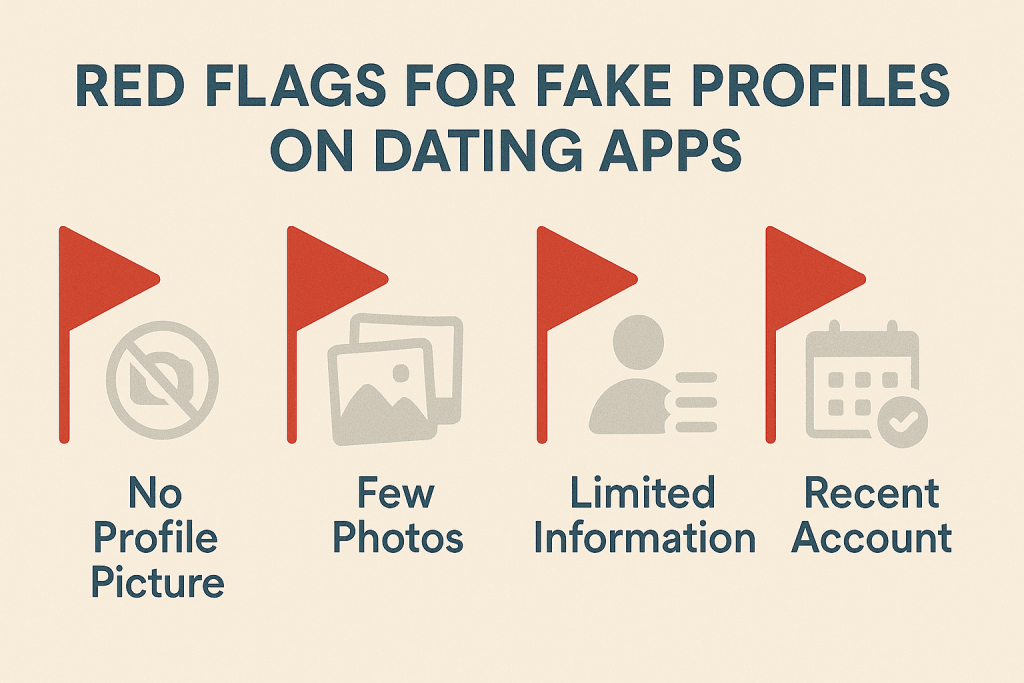
Fake profiles follow patterns. Once you recognize them, you reduce the chances of falling for them.
Too Perfect Photos
They often look professionally shot, flawless, and unrealistic.
Rushed Intimacy
They express unusual interest early, pushing the emotional pace too fast.
Vague Bios
Short, generic interests that match almost everyone.
Scripted Replies
Their messages feel copied, repetitive, or strangely formal.
Avoiding Video Calls
Fake profiles rarely agree to calls because they cannot show a real face.
Sudden Personal Requests
Asking for money, your number, or your private information too early is a strong red flag.
These signs are not always obvious, but combined, they reveal the truth behind the profile.
Why Fake Profiles Are Increasing In 2025
Despite better technology and more awareness, fake profiles continue to grow. Here is why:
AI Makes It Easy
Deepfakes and AI-generated selfies allow scammers to create beautiful, believable faces in seconds.
Scammers Use Emotional Targeting
They study behavior, trends, and dating habits. They craft personas that feel exactly like what users dream of meeting.
Weak Verification On Many Apps
Not every dating platform invests in strong verification tools. This creates safe spaces for fake accounts to flourish.
The problem is not disappearing it is evolving.
How Fake Profiles Fool Even Experienced Users
You may think only beginners fall for fake profiles, but experienced daters are often targeted the most.
Here is why:
• Experienced users don’t double-check because they assume they know better
• Fake profiles are tailored to appear interesting, intelligent, and rare
• Scam accounts use emotionally meaningful conversations
• Busy professionals respond quickly and miss small red flags
When someone is tired, stressed, or emotionally vulnerable, fake profiles become harder to detect.
Real Stories That Show Why Fake Profiles Work
Imagine this situation:
You match with someone who seems kind, funny, and attentive. Their messages make you smile. They remember small details you mention. They check in about your day. None of this feels robotic it feels personal.
A week later, they open up emotionally, telling you how refreshing it is to talk to someone like you. Suddenly, you feel special.
Now you are emotionally invested, and this is the exact moment when fake profiles take advantage.
That attachment makes users ignore warning signs they would normally notice.
How To Protect Yourself From Fake Profiles
Awareness is the first line of defense. But here are practical steps to protect yourself:
• Reverse search the profile photos
• Ask for a quick video call before trusting deeply
• Avoid sharing private details early
• Watch for inconsistencies in stories
• Trust your instincts
• Report suspicious accounts
• Keep conversations within the app until trust develops
Protection doesn’t mean fear it means smart decision-making.
Why Platforms Must Fight Fake Profiles
Users cannot fight this battle alone. Dating platforms need advanced tools to eliminate fake profiles, such as:
• AI-based identity verification
• Deepfake detection systems
• Instant profile flagging systems
• Human moderation teams
• Behavioral pattern recognition
When platforms invest in detection technology, users remain safer and scammers lose power.
The Future Of Fake Profiles
Fake profiles will continue evolving. More advanced deepfake videos, AI voice cloning, and emotional scripting tools are emerging quickly.
While the danger grows, awareness grows too. The more users learn about fake profiles, the less power scammers have.
The future belongs to platforms and communities that prioritize trust, safety, and transparency.
Fake Profiles Still Fool Users Because They Understand Humans
Fake profiles succeed because they don’t target your brain they target your heart.
They mimic connection, attention, and compatibility. They speak to your hopes, not your logic.
But awareness is powerful. When you recognize their tricks, you take back control.
Fake profiles will not vanish overnight, but with knowledge, caution, and smarter platforms, users can finally date online with confidence.
Trusted and True is the first dating platform truly dedicated to helping users see through fake profiles, digital disguises, and deceptive online personas. Learn why these traps still fool people and how to protect yourself with confidence.
FAQs
Why do fake profiles still fool people?
Fake profiles use emotional triggers, believable photos, and personalized messages, making them feel real enough to earn trust.
How can I detect a fake profile quickly?
Watch for vague bios, perfect photos, rushed intimacy, refusal to video call, and inconsistent stories.
Are AI-generated fake profiles becoming more common?
Yes. AI tools make it easy to create human-like conversations and realistic photos, making fake profiles harder to detect than ever.