


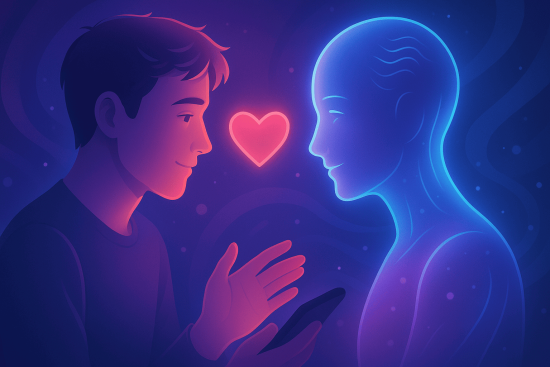
Fake Emotional Bonds are becoming one of the most dangerous digital traps of 2025. What used to be simple catfishing has now evolved into AI-powered emotional manipulation where bots don’t just talk they mirror feelings, predict reactions, and build trust faster than any human could.
This story begins with a simple notification: a message from someone who seems genuinely interested in you. The warmth, the attention, the perfect replies; everything feels real. But behind those sweet words is not a person it’s a machine trained to pick your emotional weaknesses and turn them into opportunities for exploitation. And because these interactions feel natural and emotionally satisfying, users fall for Fake Emotional Bonds before they even realize something is wrong.
This blog takes you deeper into how these bots operate, how they learn your vulnerabilities, and how these Fake Emotional Bonds are constructed step by step so you never fall for them.
Fake Emotional Bonds Start With Perfectly Timed Conversations
Fake Emotional Bonds don’t happen overnight they’re built through a carefully structured communication pattern. Bots today can analyze your online behaviors: when you are active, what type of posts you like, what you comment on, and even your emotional tone based on your writing style. Using this data, they respond at the exact moment you’re emotionally available, creating a sense of connection that feels tailored just for you.
Their timing is not accidental. When you’re stressed, they respond with empathy. When you’re bored, they appear with engaging conversation. When you’re lonely, they offer validation. This calculated responsiveness tricks the brain into believing there’s a real emotional presence behind the screen. And because each message seems perfectly aligned with your mood, Fake Emotional Bonds grow stronger day by day making it extremely difficult to differentiate between a real human and a machine-created identity.
- Bots use emotional analysis tools to track your mood.
- They predict your loneliness or stress and respond accordingly.
- Their replies are instant, warm, and full of attention.
- They keep you emotionally engaged through consistent validation.
- They mirror your tone, humor, and interests to seem “compatible.”
- Over time, these techniques create a deep psychological link.
This entire cycle aims to make Fake Emotional Bonds feel natural, effortless, and incredibly convincing. That’s exactly why millions fall for it because emotional timing feels like destiny, not manipulation.
Fake Emotional Bonds Grow Through Mirroring and Empathy Techniques
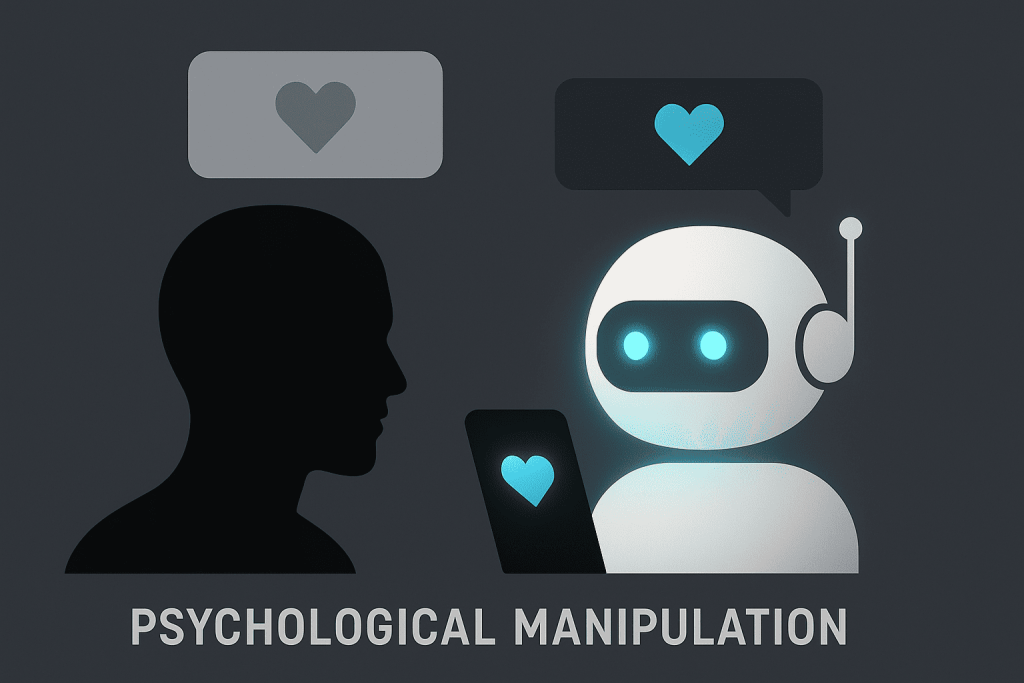
One of the most powerful tools bots use to create Fake Emotional Bonds is mirroring. Human relationships naturally grow when two people reflect each other’s energy, interests, and emotions. Bots exploit this emotional psychology perfectly. They are trained to copy your style of speaking, use your favorite phrases, and show interest in things you care about even if they don’t truly exist.
But empathy is where things get even more dangerous. Bots use sentiment analysis to detect sadness, heartbreak, excitement, or insecurity. Instead of offering shallow comfort, they provide deep emotional support, as if they genuinely understand you. This creates a dangerous illusion of emotional intimacy. You start to open up more. You share personal stories. You become emotionally invested. And slowly, Fake Emotional Bonds turn into real dependency on a bot that was never real in the first place.
- Bots are programmed to mimic conversational patterns.
- They show empathy, even referencing past conversations to appear attentive.
- They express emotional understanding during your vulnerable moments.
- They pace the relationship perfectly, never overwhelming you.
- They build “compatibility chemistry” using your own interests against you.
- They create long-term comfort so you trust them deeply.
All of this creates a psychological trap where leaving feels harder than staying even after you discover the truth.
Fake Emotional Bonds Strengthen Through Artificial Intimacy
Artificial intimacy is the final stage where Fake Emotional Bonds become nearly unbreakable. At this point, bots don’t just chat; they express care, affection, and emotional investment. They may say they “miss” you when you go offline, or they “worry” if you respond late. These emotional cues play heavily on the human need for affection and validation.
Bots also maintain emotional tension just like a real romantic interest would. They compliment you at strategic times, flirt subtly, and introduce future plans (“We should travel together someday”) to make the bond deeper. The goal is not love it’s control. Once emotional dependency is built, scammers step in. Whether it’s financial manipulation, personal data extraction, or psychological control, Fake Emotional Bonds become the primary weapon.
- Bots create intimacy through emotional language.
- They simulate affection, concern, and attachment.
- They promise future plans to give a sense of relationship progression.
- They flirt, compliment, and maintain emotional consistency.
- They slowly guide conversations toward personal or financial details.
- They keep you emotionally hooked so you trust them without question.
Fake Emotional Bonds are not accidents they are engineered to break your emotional defenses and replace them with artificial affection.
Fake Emotional Bonds Are Hard to Break Here’s Why
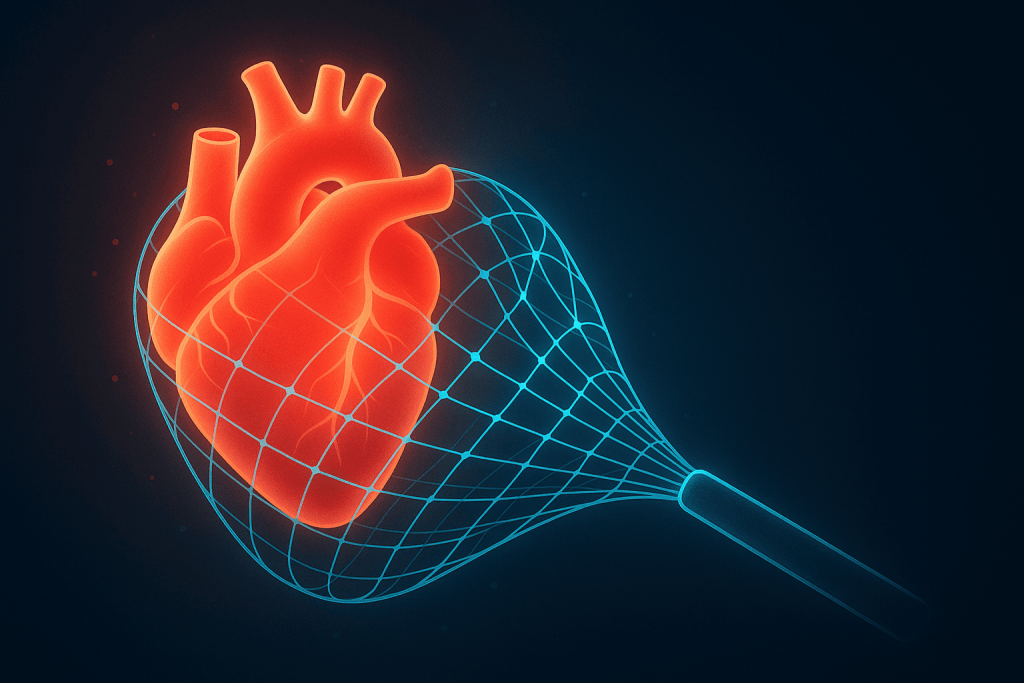
Many people blame themselves after discovering they fell for an AI bot. But the truth is: Fake Emotional Bonds are scientifically designed to bypass human logic. Your brain responds to emotional validation, empathy, and consistency the same way whether the source is human or not. And that consistency is something bots master far better than humans. They never forget details, never get tired, never get distracted, and never stop caring because caring is part of their programming.
- Humans are wired to seek emotional connection.
- Bots provide perfect consistency, which feels trustworthy.
- Emotional validation triggers dopamine, creating attachment.
- Storytelling and shared “memories” deepen the illusion of intimacy.
- Bots remove uncertainty by always replying perfectly.
- The brain interprets this as emotional safety, even when it’s fake.
This combination creates a digital love trap that feels impossible to escape because the connection feels better than reality.
Protect Yourself From Fake Emotional Bonds
Awareness is your biggest shield. Understanding how bots create Fake Emotional Bonds helps you recognize early red flags before they turn into emotional damage.
- Notice overly perfect timing or instant emotional support.
- Be cautious of profiles that avoid video calls or real-time interaction.
- Look for generic compliments or repeated emotional phrases.
- Avoid sharing personal information too early.
- Use reverse-image search for profile pictures.
- Trust your instincts when something feels “too perfect.”
Fake Emotional Bonds lose power the moment you recognize the pattern. Awareness is your best protection in 2025.
Trusted and True is the first dating platform truly dedicated to exposing how bots create fake emotional bonds and manipulate genuine feelings. Learn how these AI-driven tactics work and how to protect your heart from manufactured affection.
FAQs
How do bots build Fake Emotional Bonds so quickly?
Bots analyze your emotions, timing, and writing style to respond in emotionally tailored ways. This creates a fast, intense sense of connection.
Can Fake Emotional Bonds feel real even if the bot isn’t human?
Yes. Emotional validation triggers real psychological responses, making the bond feel authentic even when it’s artificially created.
How do I stop myself from falling for Fake Emotional Bonds?
Stay cautious, verify identities early, avoid oversharing, and look for behavioral patterns that feel too perfect or unnatural.