



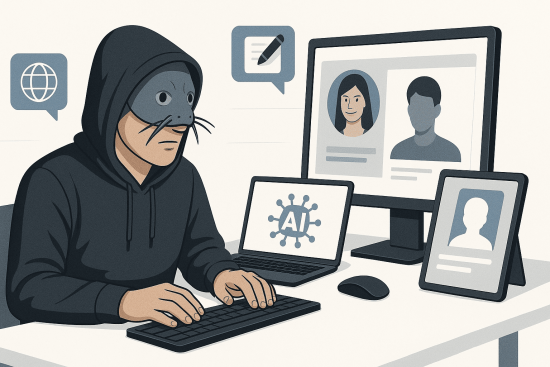
Modern catfish accounts aren’t the simple fake profiles they used to be. In 2025, they are more sophisticated, more convincing, and shockingly believable. People don’t get fooled because they are careless they get fooled because these catfish have perfected the art of emotional acting, tech manipulation, and psychological reading.
This article breaks down how modern catfish operate, how they build trust, and most importantly, how you can stay one step ahead. Let’s walk through the secret tricks together, in easy language, in a flow that keeps you engaged from the first word to the last.
How Catfish Accounts Build Realistic Identities
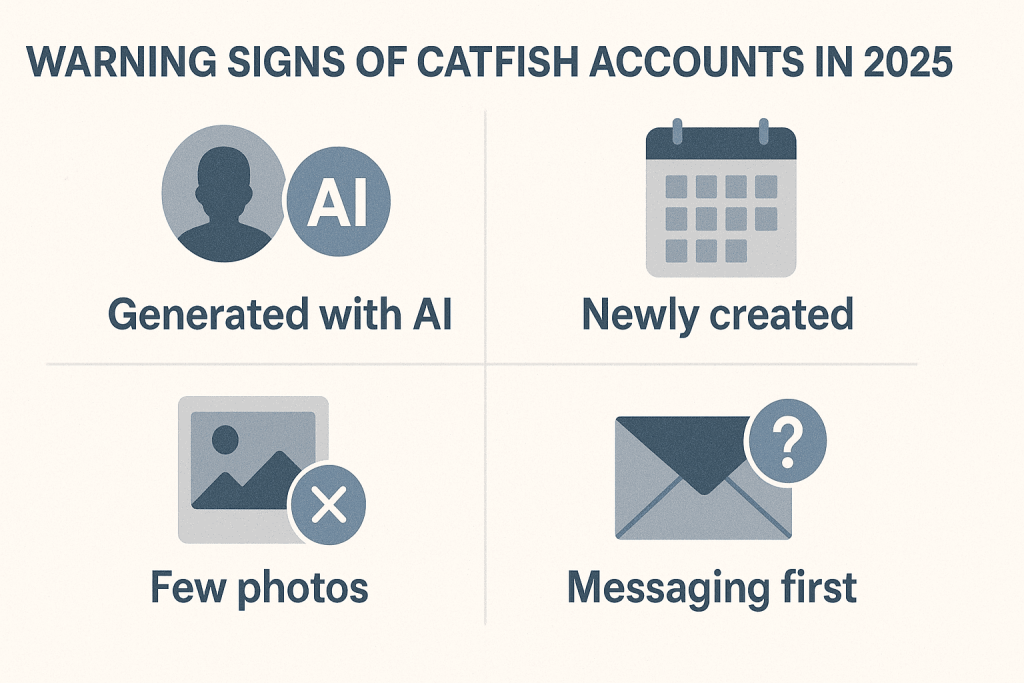
Modern catfish accounts begin with a strong identity an identity that feels real, relatable, and trustworthy. Instead of using random stolen photos, today’s catfish often use AI-generated faces that look photorealistic but belong to no one. This makes them nearly impossible to trace with traditional image searches. They build social media profiles with years of fake posts, fake friends, and staged activities to seem authentic.
A modern catfish doesn’t appear out of nowhere; they appear fully formed, like someone who has had a digital life for years. This makes victims feel safe because “someone with so much history” must be real. And that is exactly the manipulation they rely on.
Why Catfish Accounts Target Emotional Vulnerabilities
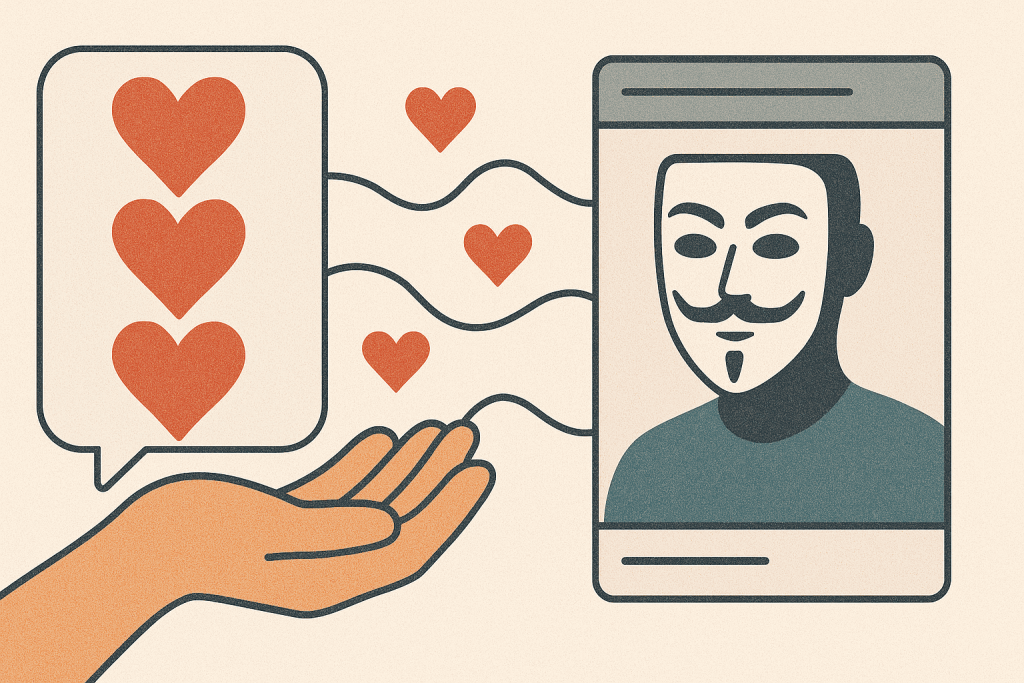
Catfish accounts don’t just choose victims randomly. They pick people who publicly express loneliness, heartbreak, new divorce, health struggles, or financial difficulties. They scroll through comments, social posts, and dating profiles searching for emotional gaps they can fill. Once they identify the vulnerability, they position themselves as the perfect support system kind, patient, attentive, emotionally available.
This emotional comfort becomes the connection that victims lean on. Catfish accounts understand that emotional needs often override logic. When someone finally feels “seen,” the red flags suddenly become easy to ignore. That is why awareness matters now more than ever.
Secret Tech Tricks Modern Catfish Accounts Use
Catfish accounts in 2025 use advanced technologies to look and sound real. Understanding their tricks is the first step to protecting yourself:
- AI-generated photos that can’t be reverse-searched.
- Voice cloning tools that allow them to speak in natural-sounding voices on calls.
- Deepfake video snippets used to “prove” their identity.
- VPN switching to appear as if they are in the same country.
- Scripted message sequences powered by AI to keep conversations flowing non-stop.
- Fake job profiles crafted using scraped LinkedIn data.
- AI-written love messages that mimic human emotion.
These tricks make catfish accounts extremely believable, especially for people unfamiliar with modern digital tools. Catfish don’t just fake identities they fake the entire experience of knowing a real human.
How Catfish Accounts Create Emotional Dependency
This is one of the most dangerous tricks of modern catfish accounts. They understand human psychology deeply. They start with small, frequent check-ins: good morning messages, compliments, emotional sharing, and even small disagreements to feel “real.” Once emotional dependency forms, catfish accounts increase the intensity more affection, future plans, dreams of meeting.
This emotional bonding is their foundation. When trust becomes strong enough, they begin guiding the victim away from friends and family:
“They don’t understand you like I do.”
“They don’t want us to be happy.”
“They’re trying to break what we have.”
This isolation is the turning point. When victims depend emotionally on the catfish, they become easier to manipulate.
Classic Red Flags Catfish Accounts Still Use
Even with modern upgrades, catfish accounts still use familiar tricks:
- Refusing video calls with endless excuses.
- Avoiding in-person meetings.
- Overly perfect photos that look like models.
- Dramatic backstories involving tragedy, illness, or military duty.
- Sudden emergencies requiring money or emotional support.
- Fast-paced intimacy, claiming love too quickly.
- Inconsistent answers to basic questions.
While technology keeps evolving, human behavior often reveals the truth. A real person doesn’t live in constant emergencies catfish accounts do.
Modern Catfish Accounts on Dating Sites and Social Media
Catfish accounts don’t limit themselves to dating platforms anymore. They operate across multiple digital spaces:
- Facebook: using community groups to find lonely individuals
- Instagram: showing “dream lifestyles” to attract victims
- TikTok: using motivational or romantic videos to gather attention
- WhatsApp/Telegram: quickly moving chats off public platforms
- LinkedIn: pretending to be professionals with fabricated work histories
The more places they appear, the more “real” they seem. This multi-platform presence is one of their most dangerous tricks victims feel like they’re connecting with someone established across the internet.
The Financial Motive Behind Catfish Accounts
While some catfish accounts fake relationships purely for attention, the majority do it for money. The financial tricks usually appear after emotional trust has been built.
Here are the most common scripts catfish accounts use:
- Medical emergency requiring urgent funds.
- Lost passport or travel issue while trying to “meet you.”
- Blocked bank account needing help to be unlocked.
- Investment opportunities they want to “share with you.”
- Job-related issues like delayed salary or equipment breakdown.
The moment money enters the conversation, the mask of romance falls and the scam becomes visible. But by then, emotional attachment often clouds judgment which is why early awareness matters most.
How to Protect Yourself from Catfish Accounts
Staying safe from catfish accounts is easier when you have the right tools and habits:
- Request real-time video calls early in the conversation.
- Search usernames across platforms to check for inconsistencies.
- Use reverse image search tools to identify stolen photos.
- Never send money or digital gifts, no matter the reason.
- Talk to a friend or family member if something feels off.
- Check the timeline of their social profiles real people have organic histories.
- Avoid moving to private messaging too quickly.
- Note how fast they express love catfish accounts rush emotions.
Each tip strengthens your digital boundaries and reduces your chances of falling into manipulation.
Why Awareness of Catfish Accounts Matters in 2025
2025 is the year digital deception became smarter than ever. Catfish accounts are now powered by AI, psychology, and globally connected networks. They no longer rely on poor grammar or obvious lies; they use polished communication, real-sounding voices, and technology that imitates authenticity. Awareness is not optional it is essential.
When you understand how catfish operate, you empower yourself and others to avoid emotional damage, financial loss, and broken trust. Knowledge becomes your shield.
Trusted and True is the first dating platform truly dedicated to uncovering the secret tricks used by modern catfish accounts from stolen identities to advanced digital deception. Learn how these scams work and protect yourself before the trap is set.
FAQs
How can I confirm if someone is a catfish?
Look for refusal to video call, inconsistent stories, overly polished photos, and emotional fast-forwarding. These signs usually reveal a catfish.
Do catfish accounts still steal photos?
Some do, but many now use AI-generated photos that look realistic but belong to nobody.
Should I confront a suspected catfish?
It’s safer to block them. Confronting them can lead to manipulation, excuses, or emotional pressure.