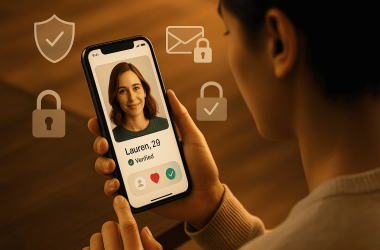



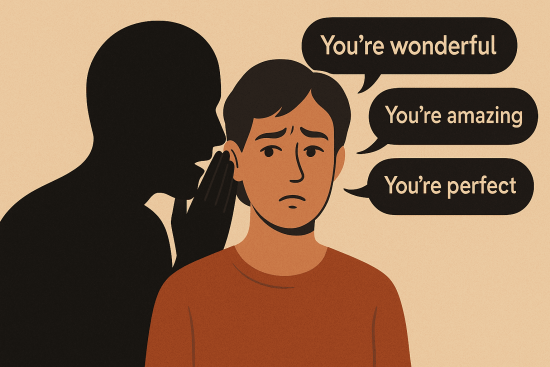
Imagine scrolling through your phone and receiving a message that says, “You’re truly one of a kind. I’ve never met anyone as special as you.” It feels uplifting, almost magical. But what if this warm compliment is part of a carefully crafted trap? In the world of online scams, scammers use flattery as a powerful weapon to break down your emotional walls and gain your trust. Their goal is not to make you feel good but to manipulate and deceive you.
Why Scammers Rely on Flattery to Deceive
Scammers understand human psychology better than most. Flattery makes people feel noticed, appreciated, and important. When someone showers you with praise, your brain releases feel-good chemicals like dopamine, which create a sense of happiness and connection. Scammers exploit this reaction to lower your guard and make you more vulnerable to manipulation.
By creating a false emotional bond, scammers make you overlook warning signs and push you towards decisions you wouldn’t make otherwise. Whether it’s sending money, sharing private information, or clicking on dangerous links, the flattery sets the stage for successful deception.
How Scammers Craft Flattery to Target Victims
The flattery scammers use isn’t random. It’s carefully tailored to appeal to your desires, insecurities, and ego. Here are some common ways scammers use flattery:
- Excessive Compliments: They might praise your appearance, intelligence, or kindness in exaggerated ways to make you feel uniquely special.
- Mirroring Your Interests: Flattering you by pretending to share your hobbies, values, or life goals to build a quick bond.
- Emotional Validation: Scammers will make you feel understood and validated, saying things like, “I’ve never met anyone who thinks like you.”
This tailored flattery feels personal, and that personalization tricks victims into trusting the scammer quickly.
Common Scenarios Where Scammers Use Flattery
Scammers often use flattery in environments where people seek connection or approval, such as:
- Online Dating Sites: Compliments are the perfect icebreaker to build a fast connection.
- Social Media: Flattering comments on posts or messages that initiate conversations.
- Email Scams: Flattery disguised as praise for your achievements or qualities, used to lure you into phishing attempts.
Recognizing these scenarios helps you stay alert and cautious.
Signs You Are Being Flattered by a Scammer
It’s easy to get caught off guard by warm words, but some signs can help you spot flattery used for deception:
- Too Good to Be True: Compliments feel exaggerated or rushed.
- Fast Emotional Bonding: The scammer tries to build intense trust and affection very quickly.
- Requests for Personal Info or Money: After flattery, they soon ask for favors or sensitive data.
- Inconsistent Details: Their stories don’t add up, even if they keep flattering you.
Trust your instincts if it feels off, it probably is.
How to Protect Yourself from Scammers Using Flattery
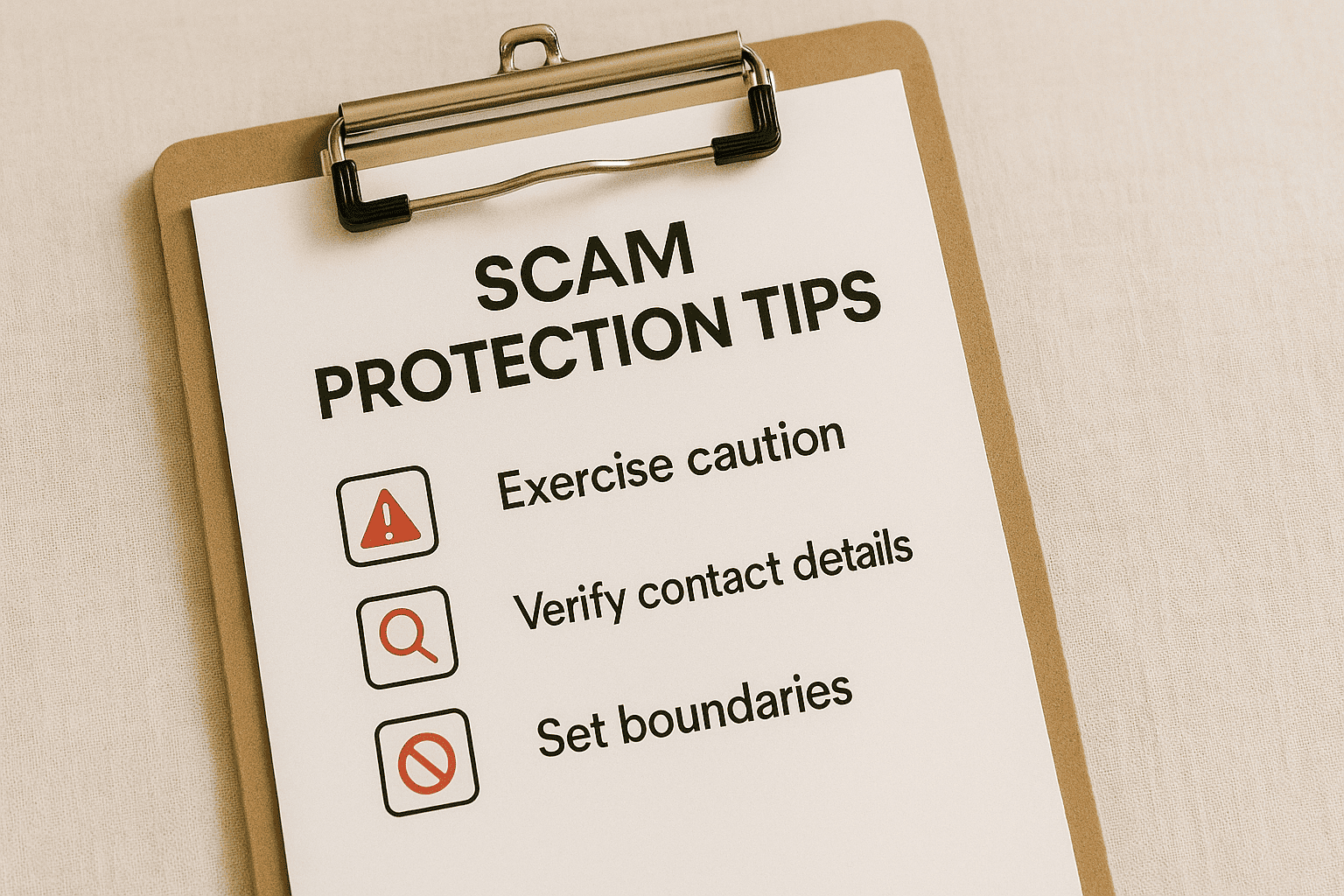
Understanding the tactics is the first step. Here are practical ways to protect yourself from scammers who use flattery:
- Take Time to Evaluate: Don’t rush into trust just because someone is flattering you.
- Verify Identities: Ask questions, do reverse image searches, and check social profiles.
- Set Boundaries: Avoid sharing personal or financial information too soon.
- Be Skeptical of Requests: Especially when money or private details are involved.
- Educate Yourself: Learn about common scams and share your knowledge with friends and family.
Being alert and cautious can save you from becoming a victim of emotional and financial harm.
Why Flattery Is a Red Flag in Online Interactions
While compliments are natural in healthy relationships, scammers use flattery as bait. The intensity and timing of the praise often feel out of place. Flattery from someone who barely knows you, combined with quick requests or secretive behavior, is a strong warning sign.
Remember, genuine connections build over time, with balanced communication, not sudden showers of praise followed by urgent demands.
Trusted and True is the first dating platform truly dedicated to revealing how scammers use flattery to manipulate and deceive genuine daters. Learn to recognize the tactics and protect yourself from false charm.
FAQs About Scammers and Flattery
Can scammers use flattery in phone calls or just online?
Scammers use flattery both online and over the phone. The tactic works wherever they can communicate, including texts, emails, calls, and social media.
How quickly do scammers usually start flattering their victims?
Often, scammers begin flattering within minutes or the first few interactions to quickly build trust and lower defenses.
What should I do if I suspect someone is flattering me to scam?
Pause communication, verify their identity independently, and avoid sharing personal or financial information. Report suspicious profiles to platform authorities.