


The world of online dating has changed dramatically over the years, but one truth has stayed exactly the same: wherever people gather online, scammers follow. And today, the place where people spend most of their digital lives isn’t just dating apps it’s social media. Platforms like Facebook, Instagram, TikTok, Snapchat, and even LinkedIn have become hunting grounds where scammers roam freely, blending in with real users.
They take advantage of how relaxed and open people feel on these platforms, using friendly conversations, emotional stories, and carefully crafted profiles to slip into someone’s trust without raising suspicion. What makes this shift so dangerous is that most people expect scams on dating apps, but almost no one expects to be targeted while browsing Reels, posting stories, or replying to a simple DM. T
hat’s exactly why these scams keep growing and why staying informed matters more than ever.
How Social Media Helps Scammers Reuse Old Tricks
One of the biggest advantages scammers gain from using social media is how easy it becomes to reuse the same stories, messages, and emotional hooks across thousands of victims. On dating apps, users move in and out quickly, but on social platforms, people stay connected for years. Scammers exploit this by sending friendly greetings, love bombing messages, or sympathy-driven texts that they’ve used hundreds of times before.
These messages look harmless, even caring, and because they come through a platform that people associate more with friends than strangers, victims let their guard down instantly. With public profiles, scammers can also tailor these reused messages based on photos, interests, or posts giving their recycled scripts a personalized feel.
They know the formula works: create connection, amplify emotion, introduce a crisis, ask for help. Social media simply lets them perform this routine faster, smoother, and with much lower risk of being blocked early.
Why Social Media Makes Dating Scams Spread Faster
Unlike dating apps, social media platforms offer scammers a giant buffet of potential victims. They’re not limited by age, relationship status, or location filters. They can reach anyone married, single, widowed, young or old because the goal is no longer romantic connection alone. It’s influence, access, and opportunity. Social media algorithms unintentionally boost scammers by suggesting them as “People You May Know,” promoting their posts, or placing them into the same interest groups as potential victims.
Group membership creates instant trust, so when a scammer sends a DM, it feels familiar, not random. They also exploit the visual nature of social platforms by posting glamorous, emotional, or inspirational photos stolen from other users.
These images allow them to appear real, relatable, and trustworthy. And because scams now spread through comments, likes, DMs, and stories, a single scammer can reach thousands of profiles in minutes without being detected making social media their ideal playground.
Types of Social Media Messages Scammers Use to Start Contact
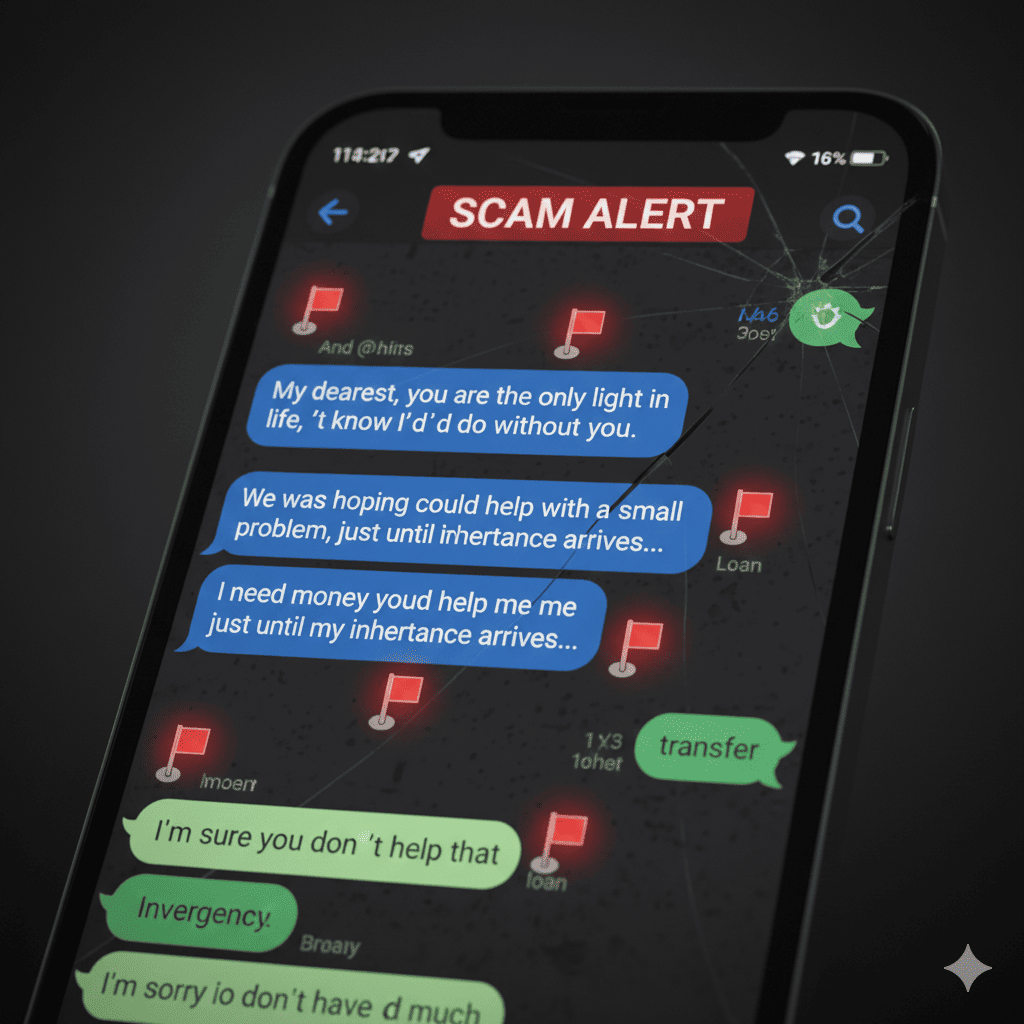
Every dating scam on social media starts with a message that seems harmless but is carefully designed to test a person’s reaction. Scammers usually send short, friendly messages, but these small openings carry the same structure no matter who receives them. Some common examples include:
- “I came across your profile and you seem so genuine.”
- “You look familiar did we meet before?”
- “I hope this message isn’t weird, but your smile made my day.”
- “Your posts really inspired me. Would love to connect.”
- “I don’t usually message strangers, but something told me to reach out.”
These messages all serve one purpose: to appear friendly and natural. Scammers rely on subtle, emotional compliments to make people feel seen, appreciated, and curious enough to respond. Once they get a reply, they quickly shift into deeper conversation, trying to build trust as fast as possible.
They talk about loneliness, passion, family values, or dreams of meeting someone special. What seems spontaneous is actually scripted manipulation. These messages are repeated thousands of times, which is why scammers move effortlessly from one victim to another. The moment they sense weakness or emotional vulnerability, they increase affection, introduce personal challenges, and prepare the victim for the next step of the scam usually financial, emotional, or personal information exploitation.

How Social Media Dating Scams Turn into Financial Traps
Once a scammer builds emotional connection on social media, the next step is to slowly introduce a problem or opportunity that requires financial involvement. Some scammers claim they need help covering emergency medical bills, travel expenses, or unexpected crises. Others push investment scams by bragging about their profitable “crypto journey” or “trading success,” trying to lure victims into sending money through shady platforms. Because victims feel they know the scammer personally, they ignore red flags they would normally notice.
Scammers also use real-time features like video calls, though these are often pre-recorded clips of someone else. Social media makes these financial traps even more dangerous because scammers can research a victim’s lifestyle, family, job, and vulnerabilities by scrolling through older posts.
They weaponize this information to make every lie believable, pushing victims toward decisions they would never make in ordinary situations. And by the time the truth becomes clear, the money and the scammer is long gone.
How to Protect Yourself From Social Media Dating Scams
Staying safe from social media dating scams isn’t about being suspicious of every message it’s about recognizing patterns that scammers repeat. Start by checking profiles for inconsistencies, such as very few photos, dramatic backstories, or accounts created recently. Be cautious with anyone who quickly expresses affection, admiration, or emotional dependence. Avoid sharing personal details with strangers, and never send money, gift cards, or cryptocurrency to someone you haven’t met in person. Reverse-image searching profile photos can reveal stolen pictures, while checking grammar and message patterns helps identify scripted communication.
Most importantly, listen to your instincts. If something feels too perfect, too emotional, or too urgent, it deserves a second look. Scammers depend on speed and emotional pressure, so slowing down and questioning their behavior is the biggest protection you have. And if a profile ever feels wrong, block and report immediately it could save you or someone else from falling into a costly trap.
FAQs
Why are dating scams increasing on social media?
Because social media offers scammers unlimited access to users, easier communication, and more opportunities to look genuine compared to dating apps.
How do scammers make their profiles look real?
They steal photos, copy bios, follow real users, post stolen content, and interact in groups to appear authentic.
What should I do if a stranger sends a flirty or emotional message?
Don’t reply immediately. Check their profile, search their name, reverse-image search their pictures, and look for inconsistencies before engaging.