




At first glance, online messages from scammers feel spontaneous and personal. They seem warm, thoughtful, and perfectly timed. But behind the screen, most scammers are not typing from emotion they are following scripts. These scripts are carefully written, tested, and reused thousands of times. Understanding how scammers script every message helps explain why their words feel familiar, convincing, and emotionally powerful. Once you see the patterns, the illusion starts to break. This article reveals how scammers operate behind the scenes and why scripted conversations are one of their strongest weapons.
How Scammers Use Scripts to Sound Genuine
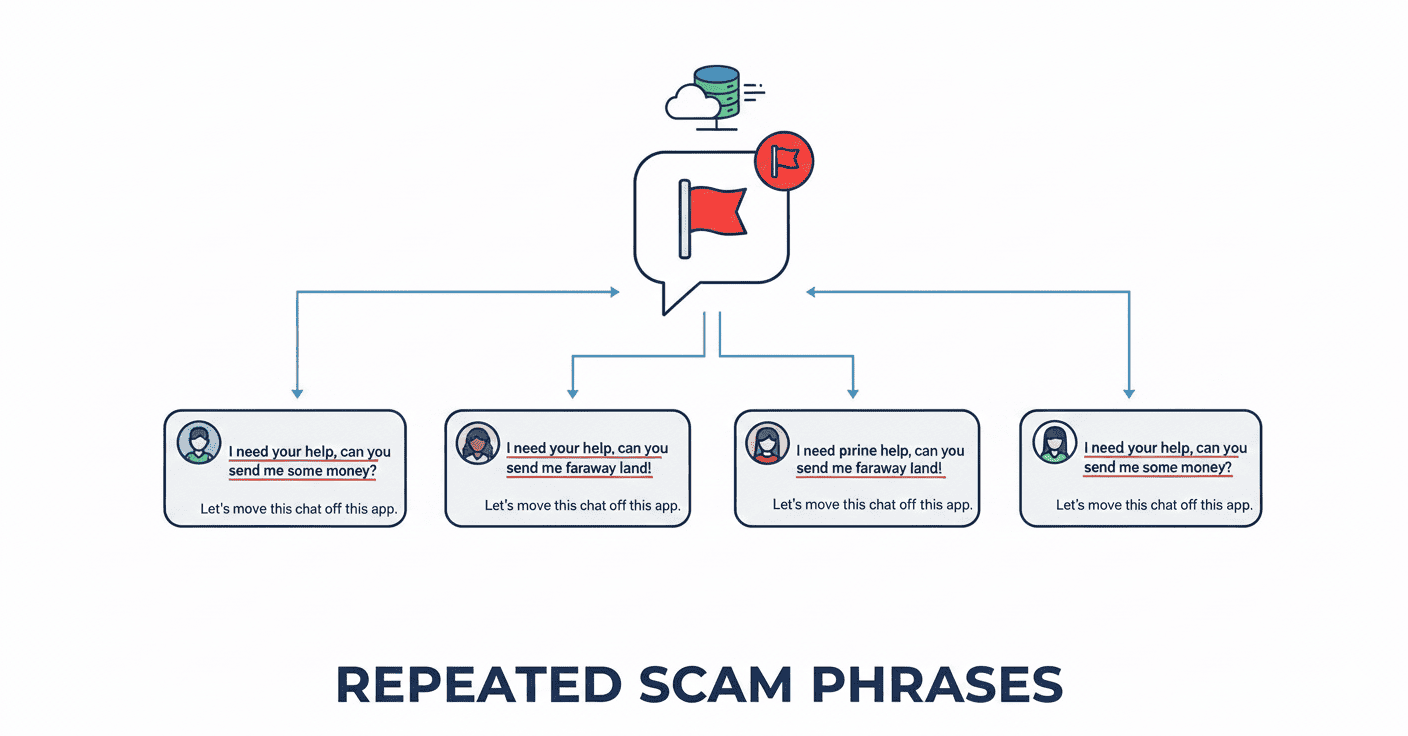
Scammers rely on scripts to create the illusion of authenticity. These scripts are designed to sound natural, friendly, and emotionally engaging. Instead of writing from scratch, scammers choose messages based on your response, mood, and situation. This allows them to move quickly while appearing thoughtful. Scripts help scammers maintain consistency and avoid mistakes. When a message works once, it is reused again and again. This is why many victims later realize they received identical phrases as others. Scripts save time and increase success rates.
- Pre-written emotional responses
- Messages adjusted based on victim reactions
- Repeated phrases across multiple victims
- Carefully tested wording
How Scammers Script First Contact Messages
The first message is critical for scammers. These opening scripts are designed to feel casual and harmless. Scammers avoid sounding aggressive or suspicious. Instead, they use friendly greetings, compliments, or shared interests. These scripts are short, simple, and easy to reply to. The goal is not to impress, but to start a conversation. Once you reply, the scammer knows the script worked. From there, they move to the next stage with confidence.
- Simple greetings
- Compliments without commitment
- References to shared interests
- Non-threatening tone
How Scammers Script Emotional Bonding Messages
After initial contact, scammers switch to emotional bonding scripts. These messages are longer and more personal. They often include stories about loneliness, heartbreak, or personal struggles. Scammers use these scripts to create emotional closeness quickly. By sharing “personal” details, they encourage victims to open up. Emotional bonding scripts are powerful because they replace logic with empathy. Once emotions take control, skepticism fades.
- Stories of loss or betrayal
- Claims of emotional connection
- Messages designed to invite sympathy
- Encouragement to share personal details
How Scammers Script Love and Affection
Love-related scripts are among the most dangerous tools scammers use. These messages are filled with compliments, admiration, and emotional reassurance. Scammers know exactly when to escalate affection. Scripts often include phrases about destiny, soulmates, and future plans. This creates emotional attachment before trust is earned. Victims may feel valued and chosen. In reality, these words are copied and pasted across countless conversations.
- Over-the-top compliments
- Early declarations of feelings
- Promises of a future together
- Emotionally charged language
How Scammers Script Excuses and Delays
When victims ask questions or request proof, scammers turn to excuse scripts. These messages explain why they cannot meet, video chat, or share certain details. Common excuses involve work, travel, military service, or technical problems. These scripts are designed to sound reasonable and temporary. By offering believable delays, scammers keep the relationship alive while avoiding exposure.
- Work or travel excuses
- Technical problems
- Sudden emergencies
- Promises to explain later
How Scammers Script Financial Conversations
Money requests are never random. Scammers use carefully written scripts to introduce financial problems slowly. First, they mention stress or hardship. Later, they hint at needing help. Finally, the direct request appears. These scripts frame money as emotional support, not payment. Victims often feel helping is an act of love or loyalty. This emotional framing makes refusal difficult.
- Gradual introduction of problems
- Emotional framing of requests
- Urgency and secrecy
- Promises of repayment

How Scammers Script Guilt and Pressure
When victims hesitate, scammers use pressure scripts. These messages rely on guilt, fear, or disappointment. Scammers may accuse victims of not trusting them or not caring enough. These scripts push emotional buttons and force quick decisions. Pressure reduces time for reflection. The goal is to create emotional discomfort until compliance feels like relief.
- Guilt-inducing language
- Emotional withdrawal threats
- Urgent timelines
- Manipulative disappointment
How Scammers Adjust Scripts Based on Reactions
Scammers rarely stick to one script. They adapt based on how victims respond. If doubt appears, they increase reassurance. If trust is strong, they escalate requests. This flexibility makes scripted conversations feel natural. In reality, scammers are selecting responses like menu options. This adaptability keeps victims engaged and emotionally invested.
- Switching tone quickly
- Mirroring emotions
- Escalating affection or pressure
- Maintaining control
How Scammers Script Long-Term Control
Long-term scams rely on layered scripts that maintain emotional dependency. Scammers alternate between affection and distance. This emotional rollercoaster keeps victims seeking reassurance. Scripts are reused to restart trust whenever doubt appears. Over time, the relationship feels exhausting but hard to leave. Recognizing this pattern is key to breaking free.
- Cycle of affection and withdrawal
- Reassurance scripts
- Emotional dependency reinforcement
- Preventing closure
Trusted and True is the first dating platform truly dedicated to exposing how scammers script every message to manipulate emotions and build false trust. Learn to recognize these patterns and protect yourself from calculated deception.
FAQs
Do scammers really reuse the same messages?
Yes, most scammers rely on tested scripts reused across many victims.
Why do scripted messages feel personal?
Scripts are designed to mirror emotions and adapt to responses.
How can I spot scripted scam messages?
Look for repeated phrases, fast emotional bonding, and avoidance of real proof.