



At first, it feels harmless. A message arrives at the right moment. The words feel caring, thoughtful, and deeply personal. Slowly, a stranger begins to feel familiar. This is not an accident. Romance scammers rely on emotional tactics designed to bypass logic and speak directly to the heart. These tactics are subtle, calculated, and surprisingly effective. Even intelligent, cautious people can fall into emotional traps without realizing it. Understanding these emotional tactics is the first step toward protecting yourself and recognizing manipulation before it causes damage.
Emotional Tactics That Create Instant Emotional Connection
One of the most powerful emotional tactics used by romance scammers is rapid emotional bonding. Scammers often share dramatic personal stories early in the conversation. These stories are designed to create sympathy, trust, and emotional closeness. By opening up quickly, they encourage you to do the same. This false intimacy makes the relationship feel deeper than it really is. When emotional connection forms too fast, critical thinking slows down. The scammer’s goal is to replace logic with feeling. Once emotions take control, questions stop and trust begins too soon.
- Oversharing personal trauma early
- Expressing strong emotions too quickly
- Creating a sense of emotional destiny
- Making you feel uniquely understood
Emotional Tactics That Use Love Bombing
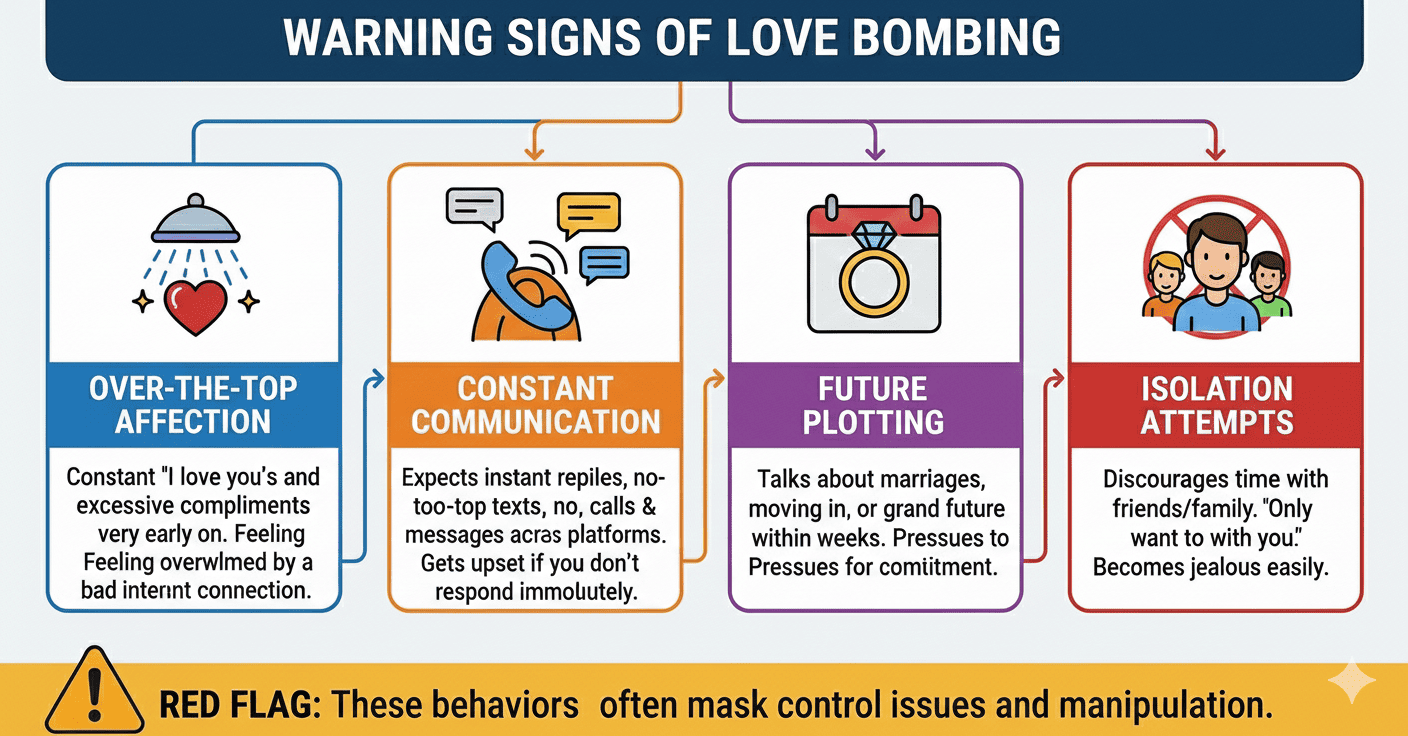
Love bombing is one of the most recognizable emotional tactics in romance scams. It involves overwhelming someone with affection, compliments, and promises. Messages arrive constantly. Every word feels reassuring and intense. Scammers use love bombing to make you feel special, chosen, and deeply valued. This emotional high creates attachment. Once attachment forms, it becomes harder to notice red flags. Love bombing is not real love—it is emotional pressure disguised as affection. The goal is dependency, not connection.
- Excessive compliments
- Daily emotional messages
- Future promises too early
- Claims of destiny or soulmates
Emotional Tactics That Create Trust Through Vulnerability
Romance scammers often pretend to be vulnerable. They may talk about loneliness, past heartbreak, or personal loss. These emotional tactics make them appear honest and human. When someone shows vulnerability, we naturally lower our guard. Scammers know this. Their stories are crafted to mirror your own experiences. This creates emotional alignment. You begin to feel like you truly understand each other. In reality, the vulnerability is scripted. It exists only to pull emotional strings and establish trust without proof.
- Fake stories of loss or betrayal
- Mirroring your emotional experiences
- Appearing emotionally wounded
- Encouraging you to comfort them
Emotional Tactics That Isolate the Victim
Isolation is a dangerous emotional tactic used by romance scammers. They subtly encourage you to keep the relationship private. They may say others “wouldn’t understand” or “might be jealous.” Over time, this creates emotional distance between you and your support system. The less outside input you receive, the easier it becomes to control your emotions. Isolation increases dependence and reduces reality checks. Once isolated, victims rely more heavily on the scammer for emotional validation.
- Discouraging outside opinions
- Creating an “us vs them” mindset
- Undermining friends or family
- Positioning themselves as your only support
Emotional Tactics That Use Guilt and Obligation
Guilt is a powerful emotional weapon. Romance scammers use emotional tactics that make you feel responsible for their happiness or survival. They may hint at financial struggles, health issues, or emergencies. Even before asking for help, they plant emotional pressure. When the request finally comes, saying no feels cruel. Scammers rely on empathy and kindness. They frame their needs as temporary and emotional, not transactional. This manipulation turns compassion into obligation.
- Subtle hints about hardship
- Making you feel responsible
- Framing help as emotional support
- Using guilt to silence doubt
Emotional Tactics That Create Fear of Loss
Fear is another emotional tactic romance scammers use skillfully. Once emotional attachment forms, scammers threaten distance or disappearance. They may become cold, distant, or suggest the relationship is at risk. This triggers fear of losing the connection. Victims may act quickly to restore closeness, often agreeing to requests they would normally reject. Fear replaces logic. The emotional need to “fix” the situation becomes urgent and overwhelming.
- Sudden emotional withdrawal
- Threats of leaving
- Silent treatment
- Conditional affection

Emotional Tactics That Exploit Hope and Dreams
Romance scammers often talk about future plans. They describe shared homes, travel, or life together. These emotional tactics attach hope to the relationship. Once hope is involved, people invest more emotionally and mentally. The future becomes a powerful motivator. Victims may endure doubt or discomfort to protect that imagined future. Scammers know that dreams are harder to abandon than facts. This emotional investment deepens commitment without reality.
- Talking about marriage early
- Planning imaginary futures
- Making promises without action
- Using hope to maintain control
Emotional Tactics That Keep Victims Engaged Long-Term
The most successful emotional tactics are subtle and long-lasting. Romance scammers adjust their approach based on your reactions. If you pull away, they increase affection. If you question them, they show vulnerability. This emotional adaptability keeps victims engaged for months or even years. The relationship becomes emotionally exhausting but difficult to leave. Understanding this cycle helps break it. Awareness restores emotional balance and personal power.
- Adjusting behavior to your emotions
- Alternating affection and distance
- Maintaining emotional dependency
- Preventing emotional closure