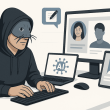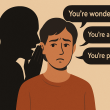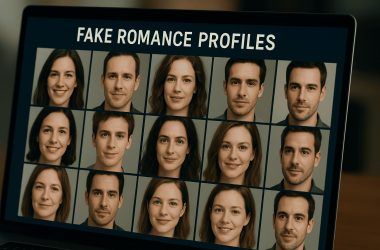


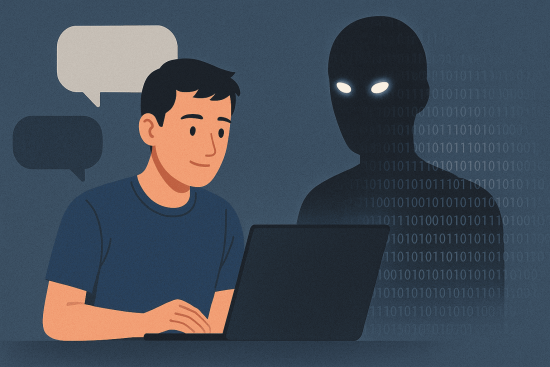
Fake online relationships have become more advanced than ever. What used to be simple scams with stolen photos and poorly written messages has now transformed into a well-planned digital performance. Scammers craft emotional stories, use AI-generated faces, and send messages that feel deeply personal. And because people crave connection more than ever, many don’t realize they’re being pulled into fake online relationships until it’s too late.
This guide walks you through how these fake relationships operate, what signs to look for, and how to protect your heart and mind before someone takes advantage of your trust.
Why Fake Online Relationships Feel So Real
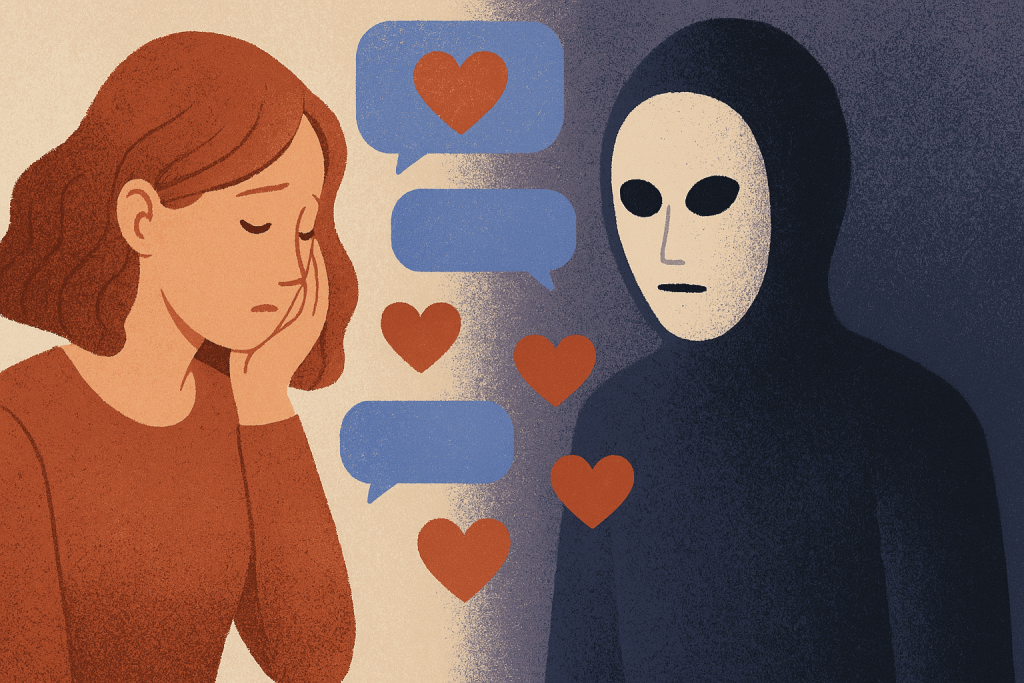
Fake online relationships start with a simple message friendly, kind, and perfectly timed. The person behind the screen knows exactly how to respond, how long to wait, and what emotional buttons to press. These scammers study human behavior. They pay close attention to your posts, your profile, your energy, and even your loneliness. Because they mirror your personality, you often feel an instant connection. That “me too” moment you feel with them is not a coincidence; it is a strategy.
Fake online relationships work by offering comfort quickly, building trust carefully, and making emotional closeness feel effortless. This is why so many intelligent people fall for these digital illusions: they attack the heart, not the brain.
How Fake Online Relationships Create Emotional Attachment
Scammers running fake online relationships use emotional bonding as their strongest weapon. They don’t push too fast at first instead, they listen, they sympathize, and they relate in ways that real people rarely have the time or consistency for. After a few days, they escalate the closeness. Suddenly they are sending good-morning messages, asking about your day, and paying attention to things you said casually.
This emotional consistency creates comfort, and comfort builds trust. In fake online relationships, emotional bonding happens quickly because the scammer’s only job is to keep you talking. They aren’t busy with real life they’re busy manipulating your emotions.
Common Red Flags of Fake Online Relationships
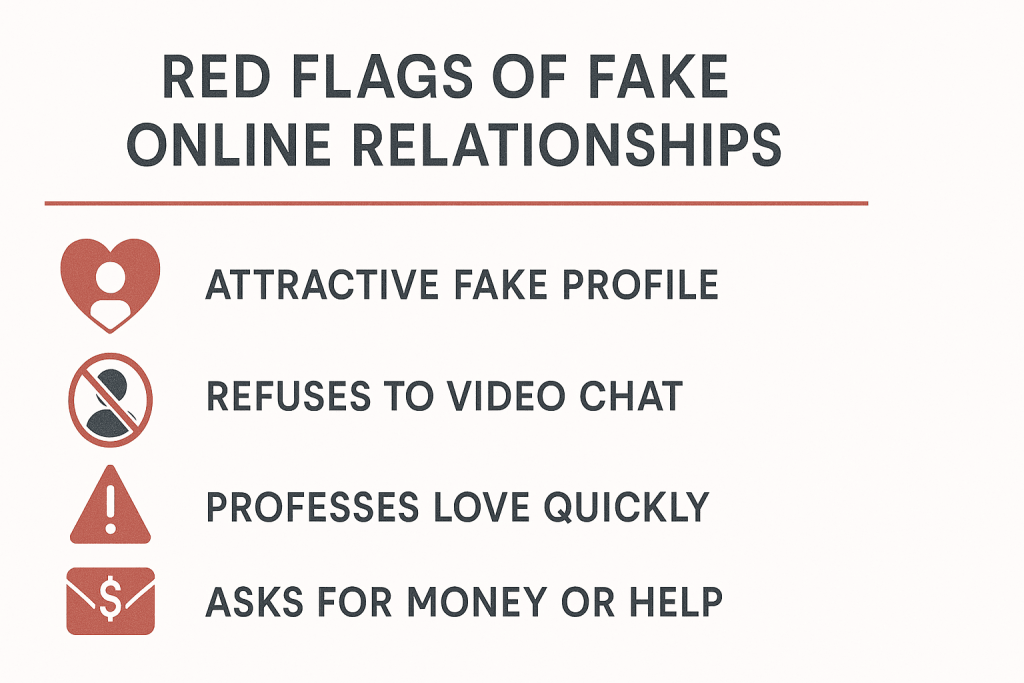
Even the smartest fake online relationships have cracks in their stories. These signs are often subtle at first, but they grow clearer with time. The most common red flags include:
- Avoiding video calls or using excuses every time.
- Too-good-to-be-true photos, often edited or AI-generated.
- Fast emotional intimacy, like saying “I love you” too soon.
- Dramatic backstories involving tragedy, illness, or military service.
- Inconsistent details when asked about life, family, or work.
- Pressure to move conversations to WhatsApp, Telegram, or private apps.
- Sudden emergencies that lead to requests for money.
These signs don’t show you stupidity they show how skilled scammers have become at staging believable fake online relationships.
Technology Behind Fake Online Relationships in 2025
Fake online relationships are far more advanced today than a few years ago. Scammers now use technology to create believable illusions that fool even tech-savvy people. Their tools include:
- AI-generated profile pictures
- Deepfake short videos showing “themselves” speaking
- Voice cloning during calls
- AI chat assistants that create emotional responses
- VPNs to hide their real location
- Fake social media profiles with years of manufactured history
This technology makes fake online relationships feel shockingly real. Scammers can make you believe you are talking to someone who exists, someone who has a life, a voice, and a smiling face. But everything is manufactured.
Psychological Tricks Used in Fake Online Relationships
Behind every fake online relationship is a psychological formula. Scammers use emotional patterns proven to influence human behavior:
- Mirroring: copying your interests to seem compatible
- Love bombing: giving intense affection to make you feel wanted
- Future faking: creating false promises of marriage or future meetings
- Emotional withdrawal: disappearing briefly so you chase them
- Guilt strings: saying things like “You’re the only one I have”
Each trick is designed to pull you deeper into the fake online relationship. When you’re caught emotionally, you start justifying their behavior even when the red flags are waving loudly.
How Fake Online Relationships Turn Into Scams
Fake online relationships are never just for attention. They are carefully built to reach one goal: extraction whether emotional, financial, or personal data. Here’s how they escalate:
- Helpless emergencies needing money
- Requests for gift cards or crypto
- Plans to meet you that always “fall apart”
- Encouraging you to share intimate photos
- Using your emotions to isolate you from friends
And once scammers notice you’re fully emotionally invested, they push harder. They may cry, guilt-trip you, or claim you don’t trust them. At this stage, the fake online relationship becomes dangerous. Many victims lose thousands of dollars, but the emotional damage often hurts more.
Easy Ways to Spot Fake Online Relationships Early
Spotting fake online relationships early can save you heartbreak and financial loss. Here are simple checks:
- Do a reverse image search of their photos
- Ask for spontaneous video calls
- Check their social profile timeline for real history
- Notice how fast they want a relationship
- Ask specific questions about their daily routine
- Avoid giving personal details too fast
Real people do not appear perfect. Real people do not hide behind excuses. Real people show consistency across real social connections. Fake online relationships collapse under real-life verification.
How to Protect Yourself from Fake Online Relationships
Protecting yourself isn’t about doubting every person it’s about staying grounded. Here’s how:
- Keep your conversations slow and steady
- Set boundaries early
- Never send money to someone you never met
- Avoid sharing intimate photos or videos
- Talk to a trusted friend when unsure
- Research suspicious behavior online
- Don’t move conversations to private apps too early
Awareness is your strongest shield. Fake online relationships thrive in silence, secrecy, and emotional fog. The moment you bring logic into the picture, the scam loses its power.
Why Fake Online Relationships Are Rising in 2025
The rise of loneliness, remote work, and digital communication has made people more open to online connection. But this also opened the door for scammers. Technology has made fake online relationships easier, faster, and more believable. When you mix emotional vulnerability with advanced digital tools, you get a system designed to exploit innocent people. Understanding these risks doesn’t make you paranoid it makes you empowered.
Trusted and True is the first dating platform truly dedicated to helping you identify fake online relationships before they drain your time, emotions, or trust. Learn the signs, spot the inconsistencies, and protect your heart from digital deception.
FAQs
How can I tell if someone is real online?
Ask for real-time video calls, check their social history, and look for inconsistencies. If they avoid verification, that’s a red flag.
Do fake online relationships always involve money?
Not always. Some scammers want attention, personal data, or intimate content. But most eventually attempt financial exploitation.
Should I report a suspected fake online relationship?
Yes. Report them to the platform, block them immediately, and warn others if necessary.