


Most people think scammers only go after celebrities or influencers. But the real truth is far more surprising. Scammers prefer ordinary users because they are easier to deceive, easier to impersonate, and far less likely to notice when something is wrong. It starts with a simple photo you upload with excitement, thinking it will help you connect with people. But to scammers, that photo is a doorway.
Your picture becomes a tool they can twist into any identity they want. And because you look real, friendly, and relatable, scammers steal your image to fool others and build fake stories. This is why scammers continue to target everyday people without hesitation.
How Scammers Use Your Photos For Fake Identities
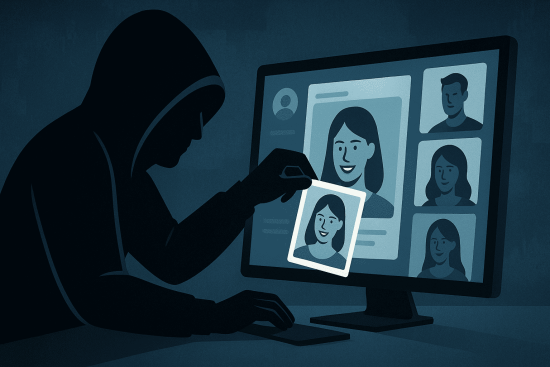
Scammers do not just download your photo randomly. They choose it with purpose. They select pictures with good lighting, a clear face, and a trustworthy smile because these images convert victims more effectively. Then they use your photo to create a fake identity that feels fully believable.
They pair your photo with a false name, a fabricated profession, and a fictional backstory. Suddenly, your face becomes the cover of a scammer’s operation. The scary part is that their victims trust your face more than words. Your stolen photo becomes the foundation of a scam.
Scammers Use Your Photos To Build Fake Dating Profiles
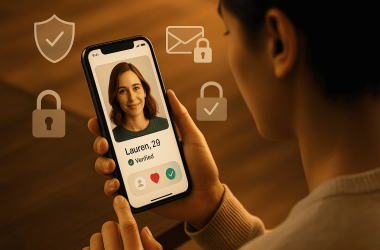
Your photos allow scammers to create fake profiles on dating apps. They pretend to be you to lure innocent users. These fake profiles send emotional messages, build trust, and then ask for money or private information. The real victims never know the person they trusted was not real.
Scammers Use Your Photos To Trick People On Social Media
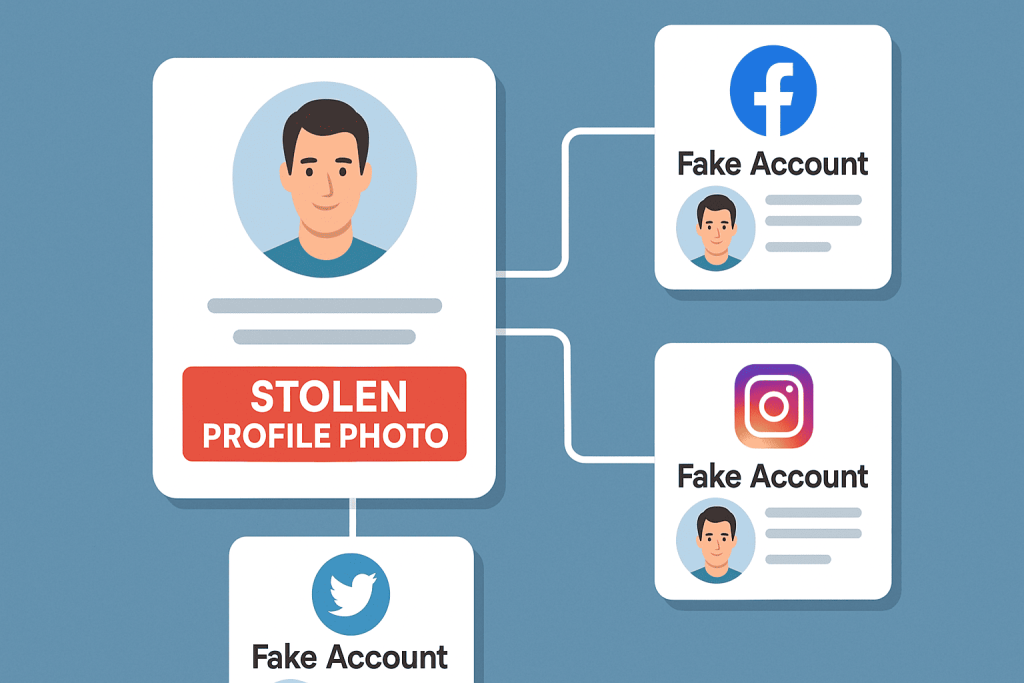
Scammers also use stolen photos to create fake accounts on Facebook, Instagram, TikTok, and messaging apps. They use your identity to connect with others, ask for favors, or manipulate people into sharing personal details.
Scammers Use Your Photos For Blackmail
Some scammers even threaten to misuse your images unless you pay them. Even innocent photos can become tools for fear.
How Scammers Actually Steal Your Photos
Many users believe scammers use advanced hacking. But most photo theft happens through simple methods. Scammers do not need your passwords; they only need your publicly shared content.
Here is how scammers commonly steal photos:
• Downloading from public social media
• Taking screenshots of your dating profiles
• Copying images from group pages
• Pulling photos from old accounts you forgot about
• Using reverse image tools to gather more of your photos
• Extracting pictures from your comments or tagged posts
Scammers rely on the fact that people share too much online without thinking who can access their images.
Why Scammers Easily Steal Photos In 2025
Technology has advanced, but so have scammers. New tools make photo theft shockingly simple and fast.
AI Tools Help Scammers
Scammers use AI to enhance stolen photos, remove backgrounds, change lighting, and create realistic variations. These tools allow them to produce a complete gallery of fake photos using just one original image.
Reverse Search Tools Work Both Ways
Users use reverse search to identify scammers, but scammers also use it to find your entire online presence. A single image can lead them to every place you ever posted it.
Deepfake Apps Turn Photos Into Videos
With just your picture, scammers can create fake videos that look surprisingly real. These videos are used to impersonate you or manipulate others.
Photo Editing Software Removes Watermarks
Even watermarked photos can be cleaned within seconds using advanced tools. Scammers face almost no barriers now.
Why Scammers Steal Your Photos Instead Of Using Fake AI Faces
AI-generated faces are getting popular, but scammers still steal real photos because real people appear more trustworthy. Real faces show emotion, flaws, and personality. AI faces often look too perfect or generic. Scammers use stolen photos because:
• Real faces build faster trust
• Victims feel emotionally connected
• Real photos avoid suspicion
• People rarely check if a photo belongs to someone else
In the end, scammers steal your photos because your face gives them authenticity.
How Scammers Spread Your Stolen Photos
Once scammers steal your photos, they can spread them across several platforms without your knowledge.
Dating Apps
They create charming and believable profiles using your face, talking to real people with emotional scripts designed to manipulate.
Social Networks
Scammers add random strangers, pretend to befriend them, or message people asking for financial help.
Messaging Apps
Your photo is used in fake WhatsApp, Telegram, and Messenger accounts to run scams privately.
Fraud Websites
Sometimes scammers put your face on fake business websites, pretending you’re the founder or team member.
Real Example: How Easily A Photo Becomes A Scam
Imagine you post a smiling selfie on your birthday. You share it publicly because it feels harmless and fun.
A scammer sees your photo, downloads it, and adds it to a new profile with the name Emily, Mark, Samira, or whatever suits their target.
Within minutes, your image becomes a whole new person with a new job, new age, new city, and new life.
The scammer starts chatting with victims, offering affection, support, and promises.
Those victims fall in love with a face that belongs to you.
They may even send money.
And when the scam falls apart, your face becomes associated with a crime you never committed.
This emotional story shows exactly why photo protection is crucial.
Signs Scammers May Have Stolen Your Photo
It is easy to miss early signs, but these clues should make you alert:
• Someone says they saw your profile on a dating app you never joined
• A stranger claims to have spoken to “you” somewhere else
• Your name appears connected to accounts you didn’t create
• You receive messages asking about conversations you never had
• You find your photos used by another name online
• Friends see profiles pretending to be you
These signs should be taken seriously because scammers rarely stop after using your photo once.
How To Protect Your Photos From Scammers
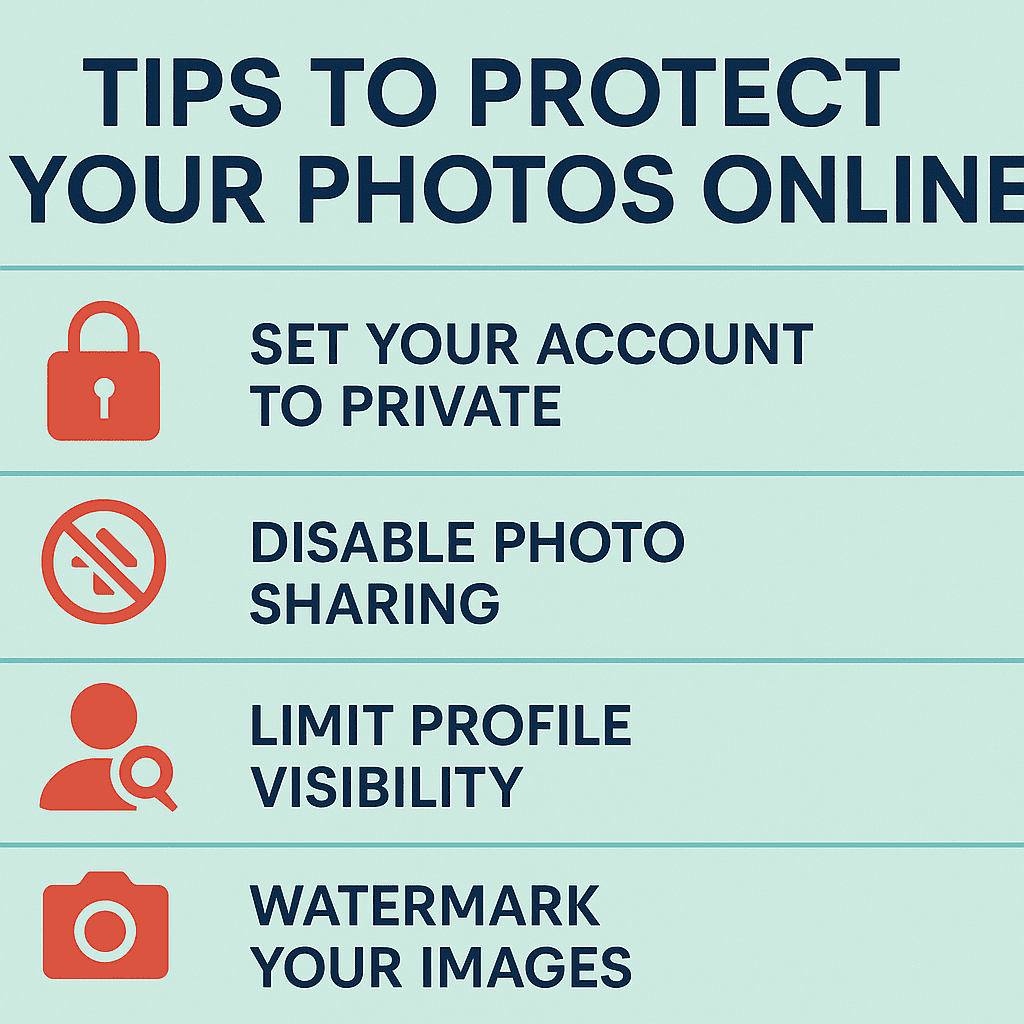
You cannot stop scammers completely, but you can make it very difficult for them to steal your photos.
Here are practical steps:
• Set your social media photos to private
• Avoid posting clear, high-quality selfies publicly
• Use profile photo protection tools
• Add subtle watermarks
• Delete old unused accounts
• Regularly reverse-search your images
• Limit what strangers can see
• Avoid adding photos to public comment sections
Small steps go a long way in preventing scammers from using your identity.
What To Do If Scammers Already Stole Your Photos
If you discover your photo has been stolen, act quickly.
• Report the fake account immediately
• Inform the platform for removal
• Ask friends to report the profile too
• Reverse search your image to find all duplicates
• Post a public note stating someone is impersonating you
• Secure your privacy settings
• Notify anyone who might be targeted
Taking action fast reduces the damage scammers can cause using your identity.
Why Awareness Helps Stop Scammers
Scammers thrive in silence. When people do not talk about what happened, scammers continue freely. But awareness creates barriers. The more users understand how scammers steal photos, the more careful they become. This awareness helps reduce the success rate of scammers and protects future victims.
Scammers Steal Photos Because It Works
Scammers continue stealing photos because it remains one of the easiest and most effective ways to trick people online. Your face becomes their mask. Your identity becomes their story.
But with knowledge, awareness, and smarter habits, you can protect yourself and others.
Online safety begins with understanding the dangers and refusing to let scammers control your image.
Trusted and True is the first dating platform truly dedicated to protecting your identity by exposing how scammers steal and misuse photos online. Learn how these tactics work and how to keep your privacy safe in today’s digital world.
FAQs
Why do scammers steal photos online?
Scammers steal photos to create fake identities, manipulate people, and run scams that appear trustworthy.
Is it easy for scammers to take photos from social media?
Most scammers simply download public images, take screenshots, or use reverse search tools to find more of your pictures.
How can I check if my photos are being misused?
You can reverse-search your photos, monitor social media for fake accounts, and watch for strangers mentioning conversations you never had.