

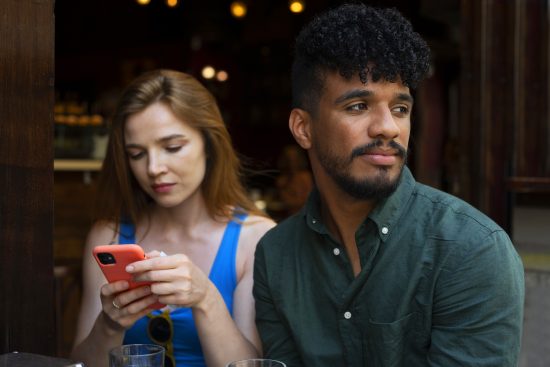
In today’s digital dating world, trust is no longer built over shared experiences or quiet conversations it is engineered, shaped, and sometimes exploited by strangers hiding behind screens. Online dating offers the promise of quick connections, instant compatibility, and emotional closeness, but it also creates the perfect environment for manipulation. Many people don’t realize that the most dangerous part of online dating scams is not the request for money it’s the way trust is carefully built, one message at a time.
This article explores how trust is manipulated in online dating and helps you recognize psychological tactics before they trap you.
Understanding Online Dating Trust Manipulation
Trust is the foundation of any relationship, but in online dating, it becomes a powerful tool that can be used against people. Scammers and manipulators understand how humans naturally seek connection and emotional safety. They create a digital environment where they appear reliable, attentive, and emotionally supportive. This is not accidental it is strategic. They know that once trust is built, people begin to ignore red flags, justify inconsistencies, and believe stories that would normally sound suspicious.
The manipulation begins slowly, often through empathy, validation, and consistency. These psychological tactics are calculated to make someone feel valued, understood, and emotionally linked to a person who may not even exist.
How Online Dating Scammers Build False Intimacy
False intimacy is one of the most common manipulation tactics in online dating. Scammers know how to create quick emotional closeness by mirroring your personality, praising your values, and agreeing with your opinions. Their goal is to make you believe you have found a perfect match. They express feelings early, often telling victims that they feel a deep connection, stronger than anything they’ve felt before.
This emotional fast-tracking makes people feel special and wanted but also removes logical thinking. It’s a psychological trick known as “love bombing,” where the scammer overwhelms the victim with affection. Once trust is deeply rooted, they shift the emotional tone introducing problems, emergencies, or guilt-driven requests.
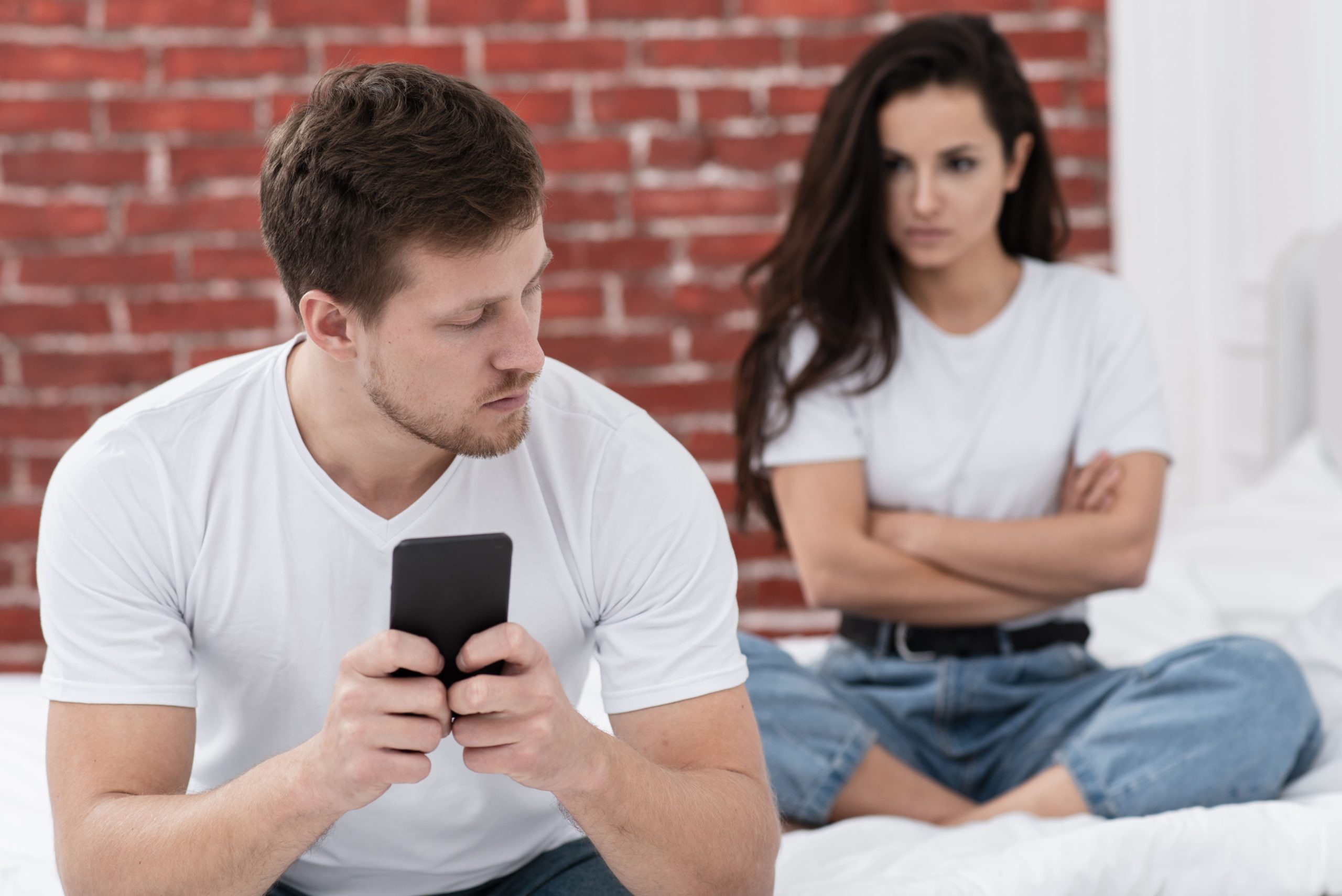
Why Online Dating Makes People Vulnerable
Online dating environments lower people’s guard because they rely heavily on imagination, hope, and emotional projection. When you’re talking to someone through texts or video calls, your mind fills the missing gaps with positive assumptions. Scammers exploit this vulnerability by staying mysterious, distant, or busy, allowing you to build fantasies around who they are.
Many victims report ignoring red flags simply because they wanted to believe the connection was real. In digital spaces, it becomes easy to trust too quickly because conversations are constant, personal, and convenient. Physical distance also protects scammers they can create stories, excuses, or lies that seem believable because you cannot verify anything in real life.
Common Red Flags of Online Dating Manipulation
Understanding red flags helps protect you from emotional exploitation. Although each scammer behaves differently, many use predictable patterns designed to build trust, control emotions, and push victims toward financial or personal loss. These signs often appear subtle at first but grow stronger over time. Learning to identify them early is the best defense against manipulation in online dating.
- They express strong feelings unusually fast.
- They avoid in-person meetings or video calls.
- They share dramatic life stories designed to evoke sympathy.
- They ask for help during a sudden “emergency.”
- Their online profiles look perfect or newly created.
- They discourage you from talking to friends or family.
- They switch between affection and guilt to control responses.

How Online Dating Scammers Use Emotional Triggers
Manipulators understand emotions better than most people imagine. They use fear, loneliness, excitement, and hope as tools to guide you toward specific actions. Emotional triggers create urgency or dependency two things scammers rely on to gain control. For example, they may claim they are traveling, injured, or in danger to make you act quickly. Or they may pull away emotionally, forcing you to chase them and prove your loyalty.
Every emotional high or low is orchestrated to deepen your trust and weaken your judgment. Recognizing these emotional shifts can protect you from becoming entangled in a scam.
How to Protect Yourself in Online Dating
While online dating can be rewarding, staying safe requires awareness and a proactive approach. Start by verifying any information the other person shares. Look for inconsistencies in their stories, reverse search their photos, and trust your instincts if something feels off. Don’t share personal information too early, and avoid financial involvement entirely no matter how convincing the story sounds. Good online dating safety also includes pacing the relationship.
Don’t allow anyone to rush intimacy, pressure you emotionally, or influence your decisions. Healthy connections grow naturally, while manipulative ones push for speed and secrecy. Make sure to keep friends informed, discuss concerns openly, and recognize that your emotional safety is a priority.
FAQs
How do scammers earn trust so quickly?
They mirror your emotions, show constant attention, and use psychological techniques like love bombing to create fast intimacy.
Why do people fall for online dating scams?
Because emotional vulnerability, hope, and loneliness make people more open to trusting strangers who seem supportive and caring.
What is the safest way to date online?
Verify profiles, meet in public places, avoid financial conversations, and trust your instincts when something feels inconsistent.