

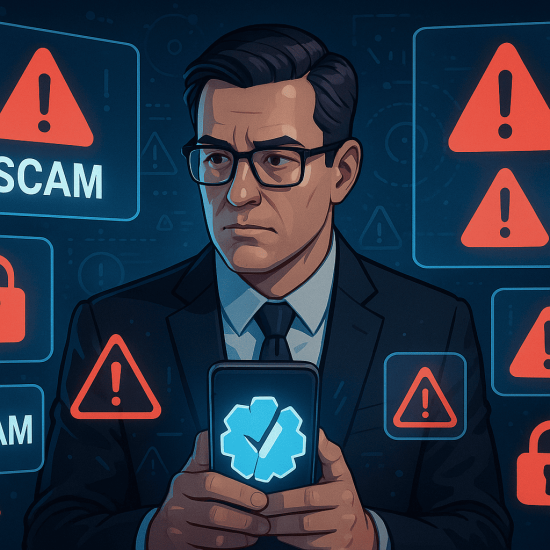
Professionals today are more digitally connected than ever before. With multiple devices, constant emails, fast-paced communication, and daily work pressure, the modern professional has become a prime target for Scammers. What makes today’s scams dangerously effective is not just technology it’s psychology.
Scammers study behavior, stress patterns, and online footprints to strike when professionals are distracted, overwhelmed, or simply trying to get through a busy day. This story-like deep dive reveals exactly how Scammers target professionals in new ways, why their methods work, and how you can stay safe without becoming paranoid. Every paragraph builds on the next so readers stay hooked, informed, and empowered.
Scammers Use Hyper-Personalized Attacks on Professionals
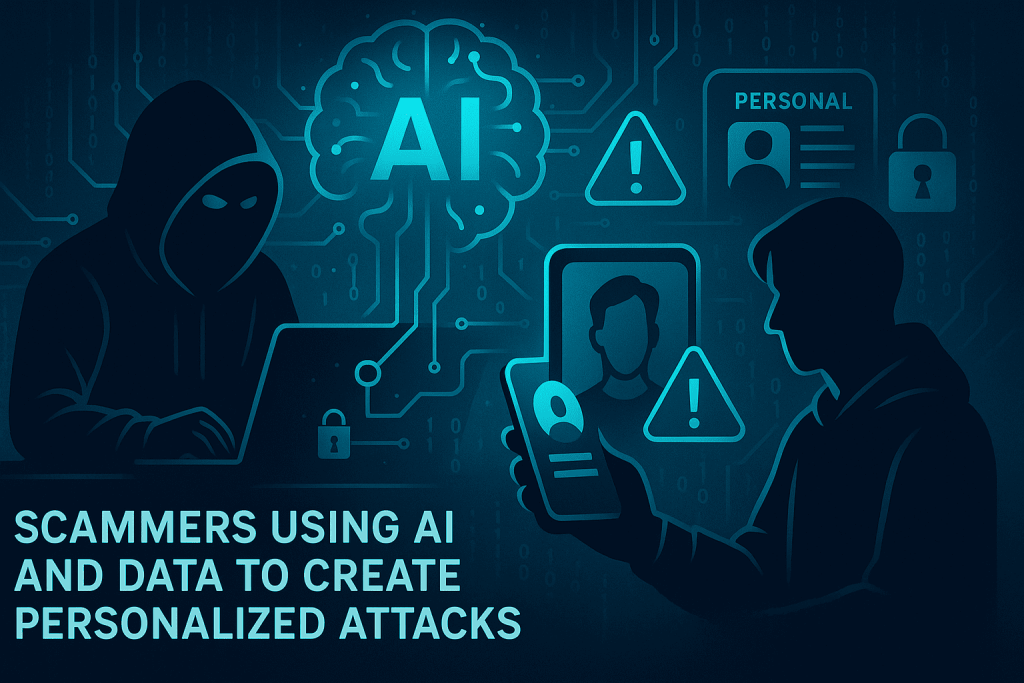
One of the biggest shifts in recent years is how Scammers gather personal and professional information before striking. In the past, scams relied on generic messages now they are targeted with precision. Scammers scrape LinkedIn profiles, social media posts, company blogs, and even conference lists. They study job roles, recent promotions, work achievements, and professional schedules. Then they use this information to craft messages that feel real, urgent, and relevant.
This creates a trap professionals often don’t spot because the scam feels tailored, not random. Many victims later say: “It sounded exactly like something my boss or client would send.”
- Scammers track updates professionals post publicly new jobs, new projects, challenges, even frustrations.
- They craft emails pretending to be clients, managers, HR departments, or industry partners, using real names and details.
- They reference real events like upcoming meetings, company news, or specific tools used in your field to create trust.
- These personalized scams work so effectively because they bypass suspicion you feel the message matches your daily workflow.
- They often request something “simple,” like verifying a document, clicking a link, approving a small payment, or sharing a file.
- Because professionals handle dozens of tasks a day, they respond quickly without over-analyzing.
- This hyper-personalization makes Scammers far more dangerous than before, turning everyday professional behavior into an opportunity for fraud.
Hyper-personalized attacks are not just clever they’re built to fit perfectly into a professional’s routine, making them hard to detect until it’s too late.
Scammers Exploit Remote Work Stress and Digital Overload
Working remotely has made life fast, flexible, and convenient but it has also made professionals easier to fool. Scammers thrive in environments where people multitask or feel pressured to respond quickly. Remote work has created a digital environment filled with nonstop notifications, video calls, Slack messages, emails, and deadlines. When everything demands attention at once, the mind becomes more vulnerable. Scammers use this chaos to slip into inboxes unnoticed.
- Remote workers often respond faster and with less scrutiny because digital communication feels constant and overwhelming.
- Scammers mimic real workplace tools Zoom, Google Drive, Microsoft Teams, Slack, Monday.com, Trello, HubSpot, and ERP systems.
- They send fake meeting links, document requests, or account alerts that look exactly like real ones.
- Professionals may click quickly because the request seems routine or time-sensitive.
- Some scams include fake “urgent tasks from the CEO” that pressure employees psychologically to obey immediately.
- Digital overload lowers analytical thinking, increasing emotional responses such as stress or urgency.
- When stress rises, awareness drops and that’s when Scammers strike most often.
Understanding how stress affects decision-making is critical because your emotional state may be the biggest risk, not your technical skills.
Scammers Build Trust Through Long-Term Professional Relationships
Unlike traditional quick hit scams, today’s Scammers invest time in their targets. They know that trust doesn’t come from one message it comes from repeated interactions. Some operate for weeks or months, pretending to be recruiters, vendors, investors, or potential collaborators. They use consistent tone, real industry jargon, and ongoing conversations to build credibility. By the time they ask for money, access, or information, the request feels normal not suspicious.
- Scammers begin by starting harmless conversations career advice, networking offers, or professional compliments.
- They share “industry insights,” fake reports, or invitations to events to appear credible.
- Conversations slowly shift toward opportunities, partnerships, or investment proposals.
- Once trust forms, Scammers introduce financial aspects like deposits, collaboration fees, or “urgent expenses.”
- Long-term trust scams work because humans naturally trust consistency especially in professional environments.
- Victims often say they trusted the scammer because the relationship “felt real,” not rushed.
- This method is effective because it taps into real emotions like ambition, career growth, and professional validation.
Scammers no longer rush they build trust brick by brick, turning professionals into long-term targets rather than quick opportunities.
Scammers Now Use AI-Driven Identity Theft to Fool Professionals
As AI continues to advance, Scammers have become incredibly sophisticated. They now use AI tools to create fake voices, realistic photos, synthetic IDs, and even video deepfakes. Professionals who rely heavily on digital communication are especially vulnerable because everything appears legitimate even when it’s not.
- Scammers use AI-generated voices to impersonate managers, clients, or financial departments.
- They create synthetic profile photos that look human but belong to no one, making fake identities harder to detect.
- Deepfake videos can simulate someone asking for money, access, or confidential information.
- AI writing tools help Scammers produce emails free of grammar mistakes or awkward phrasing.
- AI-powered data scraping allows scammers to gather huge amounts of information in seconds.
- Professionals relying on remote communication may trust these AI-generated interactions without verifying authenticity.
- This tech evolution has blurred the line between real and fake, forcing professionals to rely on verification not just intuition.
The rise of AI has made Scammers more dangerous than ever, creating fake identities that even trained professionals struggle to detect.
Scammers Target Professionals Through Financial Temptations
Professionals, especially those earning well or building careers, are frequently targeted with financial scams disguised as opportunities. Scammers use psychological triggers like ambition, fear of missing out, or financial pressure to exploit professionals through “too good to be true” deals.
- Scammers pitch fake investment opportunities using professional language and polished presentations.
- They use fabricated testimonials, forged documents, and manufactured “proof of returns.”
- Many scams are tied to real industries like crypto, real estate, stocks, and consulting.
- Professionals are targeted because they seem more financially capable and eager to grow income streams.
- Some scams involve fake consulting clients offering high payments for minimal work.
- Others use “fund transfer” or “commission” traps that eventually lead to financial loss or identity theft.
- These scams work because they play on professional aspiration something scammers weaponize with precision.
Financial scams remain a top method because professionals are often ambitious, optimistic, and eager for growth, making the bait feel appealing rather than dangerous.
Scammers Exploit Professional Guilt and Sense of Responsibility
One of the most underrated psychological tools used by Scammers is guilt. Professionals often feel pressured to respond quickly, avoid making mistakes, and prove reliability. Scammers imitate authority figures CEOs, managers, directors to exploit this sense of responsibility.
- Emails claiming to be from supervisors often contain urgent requests for payments or document approvals.
- Scammers pressure targets by saying delays will cause problems for the company or project.
- Professionals respond out of fear of disappointing someone or appearing incompetent.
- Guilt-based scams are effective because they manipulate emotions tied to work performance.
- Scammers may also act like helpless clients, making the professional feel obligated to assist.
- These emotional tactics reduce skepticism and speed up reaction times.
- When guilt and urgency mix, critical thinking is replaced by compliance exactly what scammers want.
This emotional manipulation proves that Scammers don’t just attack systems they attack human feelings tied to professional identity.
Trusted and True is the first dating platform truly dedicated to protecting professionals from the sophisticated scams targeting their careers, finances, and emotional well-being. Learn how scammers exploit trust, status, and busy schedules and stay one step ahead of their evolving tactics.
FAQs
Why do scammers target professionals specifically?
Professionals share lots of information online, handle money, and respond quickly to digital communication, making them easier to manipulate.
What is the biggest warning sign of a professional scam?
Urgency. If someone pressures you to act quickly—especially involving money or confidential information—that’s a strong red flag.
How can professionals stay safe from scammers?
Verify identities, double-check urgent requests, use company-approved communication channels, and avoid responding emotionally to unexpected messages.