

Romance fraud has always been painful, but in recent years it’s become a silent threat targeting those who least expect it our seniors. As technology evolves, scammers evolve with it, using emotional manipulation, AI-generated profiles, and fake stories to trap innocent people looking for companionship.
This guide is written to help families, caregivers, and seniors themselves understand how romance fraud works and how to stop it before any harm is done. Every paragraph below connects to the next so readers don’t lose interest and stay informed from start to finish exactly what real safety content should do.
How Romance Fraud Scammers Target Seniors
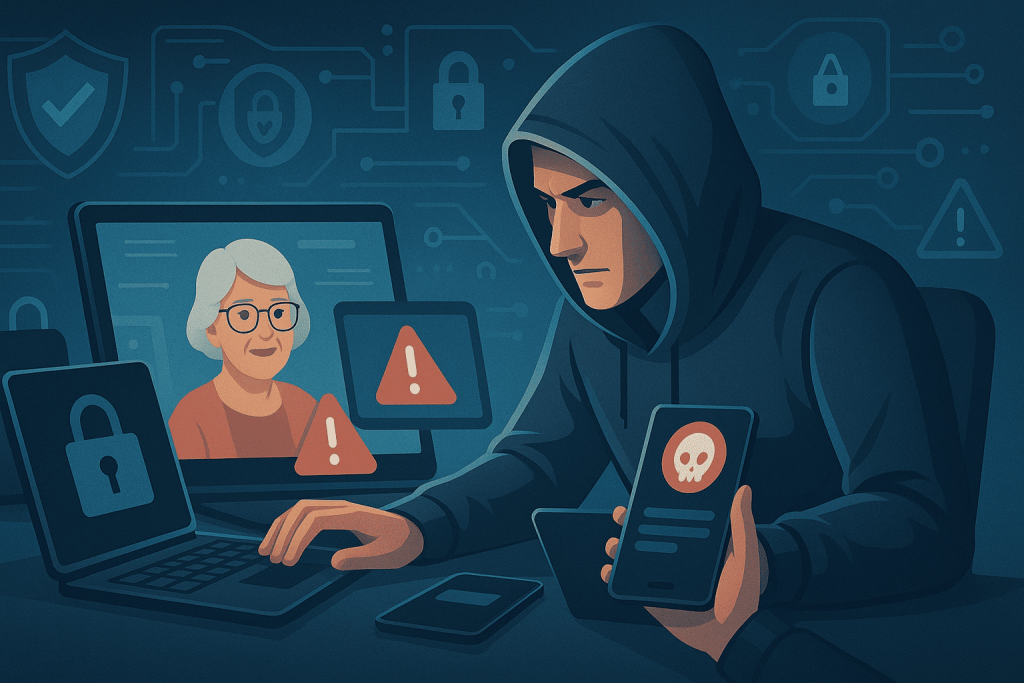
Romance fraud scammers know that seniors often value emotional connection, especially if they live alone or have lost a partner. This emotional space becomes a doorway for scammers who pretend to offer affection, attention, and companionship. They study senior behavior, read their public posts, and then shape conversations around their interests. Many scammers now use advanced AI tools to sound convincing sending voice notes, video clips, and even deepfake images to appear real.
The goal is always the same: build trust fast and isolate the victim from family members who could expose the fraud. In 2025, scammers rarely start with money. They start with emotional attachment, which becomes much harder to escape.
Early Warning Signs of Romance Fraud Scammers
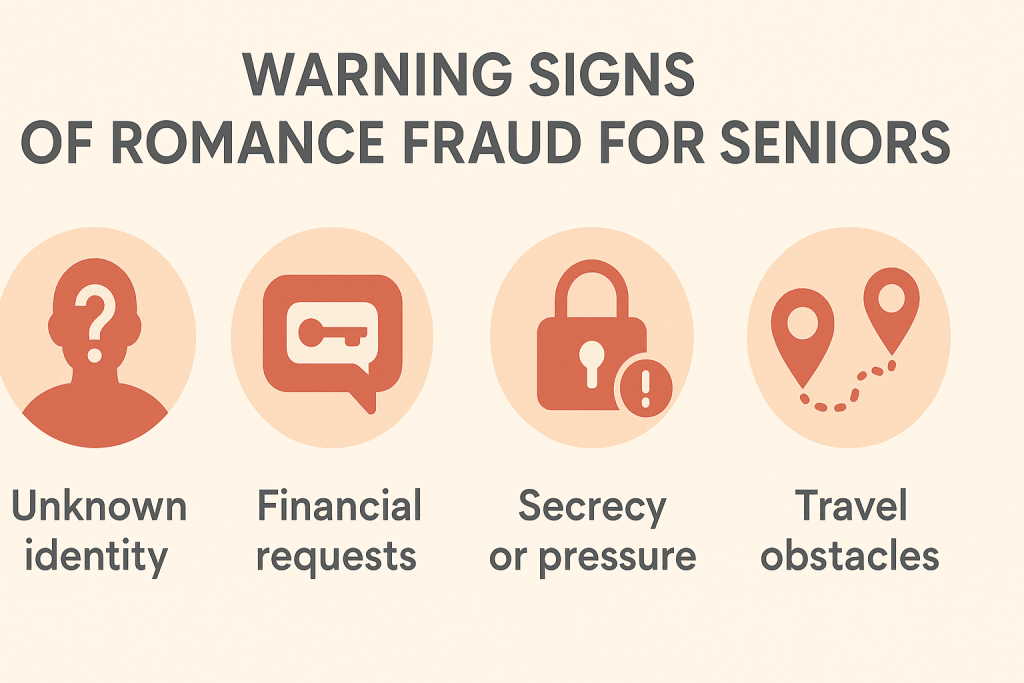
Recognizing the warning signs early can protect seniors from emotional and financial damage. Romance fraud scammers often follow predictable patterns even when they try to disguise them. They claim they’re widowed, working abroad, or stuck in a job that prevents video calls. They send overly affectionate messages quickly, trying to accelerate intimacy. At some point, they introduce a crisis medical bills, immigration issues, lost luggage, emergency travel. These stories are crafted to pull seniors’ heartstrings.
Romance fraud scammers also avoid meeting in person, canceling plans last minute with convincing explanations. They provide just enough detail to feel real but avoid anything that could be verified. When seniors know these signs, they stay safer from manipulation.
Why Romance Fraud Scammers Choose Emotional Weak Points
Romance fraud works because scammers target emotional needs. Many seniors desire companionship, kindness, and someone who listens. Scammers identify these emotional needs through online conversations, social media posts, or even public comments seniors leave on Facebook or community forums. Once they understand what the senior longs for friendship, romance, reassurance they use those needs as leverage.
They create scenarios that make the victim feel valued, wanted, and needed. This emotional connection becomes the trap. Seniors believe they’ve finally found someone who understands them, so they ignore red flags. Scammers don’t need complicated tricks; they use psychology. The best protection is awareness and open communication with family members.
How Romance Fraud Scammers Use Technology in 2025
In 2025, romance fraud isn’t limited to fake text messages. Scammers now use AI-powered tools to imitate real people. They generate high-quality profile images, fake video messages, and even voice calls that sound shockingly real. Some scammers use AI chatbots to talk to multiple seniors at once, maintaining consistent emotional conversations without getting tired. Others create fake dating websites specifically designed to trap seniors with fake members and fake customer support.
They even simulate login notifications and emails to appear legitimate. Understanding how scammers use technology is essential because seniors often trust what looks real on the screen. If it feels too perfect, that’s usually the first sign it isn’t real.
Romance Fraud Scammers’ Common Scripts and Storylines
Romance fraud scammers rarely operate without a strategy. They follow scripted storylines that work every time military personnel stationed overseas, engineers stuck at sea, doctors in conflict zones, or business owners traveling constantly. These professions make it easy to avoid in-person meetings and explain long gaps in communication. Scammers use emotional storytelling to gain sympathy: childhood trauma, a tragic accident, or a sudden personal loss.
Once seniors show concern, scammers deepen the emotional connection. Later, they introduce a financial problem that only the target can “help” with. These scripts are rehearsed, polished, and designed to feel real. When seniors learn these stories, they can identify the fraud faster.
How Families Can Protect Seniors from Romance Fraud
The strongest defense against romance fraud scammers is support from family and friends. Many seniors hide online relationships because they fear judgment or loneliness. Families should encourage open conversations about online interactions without criticism. Ask gentle questions about new online friends who they are, what they do, and how often they communicate. Look for sudden changes in behavior, unusual secrecy, or unexpected financial transactions.
Families can also help seniors set privacy restrictions on social media and install fraud alerts on bank accounts. When seniors feel supported instead of controlled, they are more likely to share concerns and avoid potential scams.
Practical Steps Seniors Can Take to Avoid Romance Fraud
Seniors can protect themselves from romance fraud by following simple online safety steps.
Here are practical safety measures explained in easy English:
- Never send money or gift cards to someone you have not met.
- Avoid sharing personal information, like bank details or home address.
- Check profile pictures using image search tools to identify stolen photos.
- Ask for video calls early to verify identity.
- Talk to family members before making big decisions.
- Report suspicious profiles on dating platforms instantly.
- Block anyone who pressures you emotionally or financially.
Each of these steps builds a protective wall that scammers struggle to break through. Romance fraud only succeeds when secrecy and trust combine breaking that pattern stops the scam right away.
The Emotional Impact of Romance Fraud on Seniors
Romance fraud does more than steal money it steals emotional security. Seniors who fall victim often feel ashamed, embarrassed, or afraid to tell someone. They worry others will judge them or call them naive, which makes the healing even harder. Understanding their emotional trauma is essential. Families should show compassion, not blame. Remember: scammers are experts trained to manipulate emotions.
They deceive millions of people every year, not just seniors. Recovery begins when seniors know they aren’t alone and that support is available. Educating them about how scammers operate helps rebuild confidence and trust.
How Trusted & True Helps Spread Awareness About Romance Fraud
At Trusted and True, our commitment is simple: empower people with awareness, understanding, and safety tools so they can navigate online relationships with confidence. We don’t promote dating platforms; we promote knowledge and protection. Our guides help seniors and their loved ones recognize risks before they happen. By staying informed, readers can identify romance fraud scammers quickly and avoid the emotional and financial damage they cause.
Our mission is to ensure seniors enjoy connection, companionship, and online experiences safely exactly as they deserve.
Trusted and True is the first dating platform truly dedicated to safeguarding seniors from romance fraud, emotional manipulation, and online deception. We’re here to help older adults navigate digital relationships with confidence and security.
Trusted and True is the first dating platform truly dedicated to uncovering the secret tricks used by modern catfish accounts from stolen identities to advanced digital deception. Learn how these scams work and protect yourself before the trap is set.
FAQs
How can seniors identify romance fraud early?
They should look for avoidance of video calls, fast affection, excuses to never meet, and sudden emotional crises. These are common romance fraud patterns.
Are scammers using AI tools now?
Yes. Many scammers use AI-generated photos, voices, and messages, making fraud more convincing. Seniors should be cautious even if someone seems “perfect.”
What should seniors do if they suspect romance fraud?
They should stop communication, avoid sending money, take screenshots, and seek help from family or local authorities immediately.