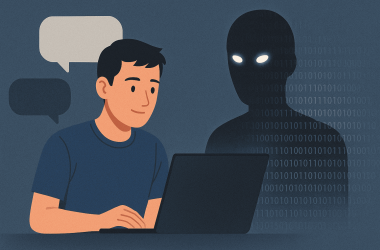




We often imagine a scam victim as someone careless, distracted, or too trusting. But reality paints a very different picture. Many victims are intelligent, educated, emotionally stable people who have made wise decisions all their lives. Yet, when the right emotional trigger is pulled at the wrong time, even the sharpest mind can be manipulated.
Scammers succeed not because people lack intelligence, but because humans are wired for connection, trust, and empathy. And in the digital world, emotional manipulation has become an art one that even smart, highly aware people struggle to detect.
This article explores why intelligence offers no immunity, and how scammers use psychology, emotion, and timing to bypass even the strongest critical thinking.
How Scam Tactics Target Human Emotions, Not Intelligence
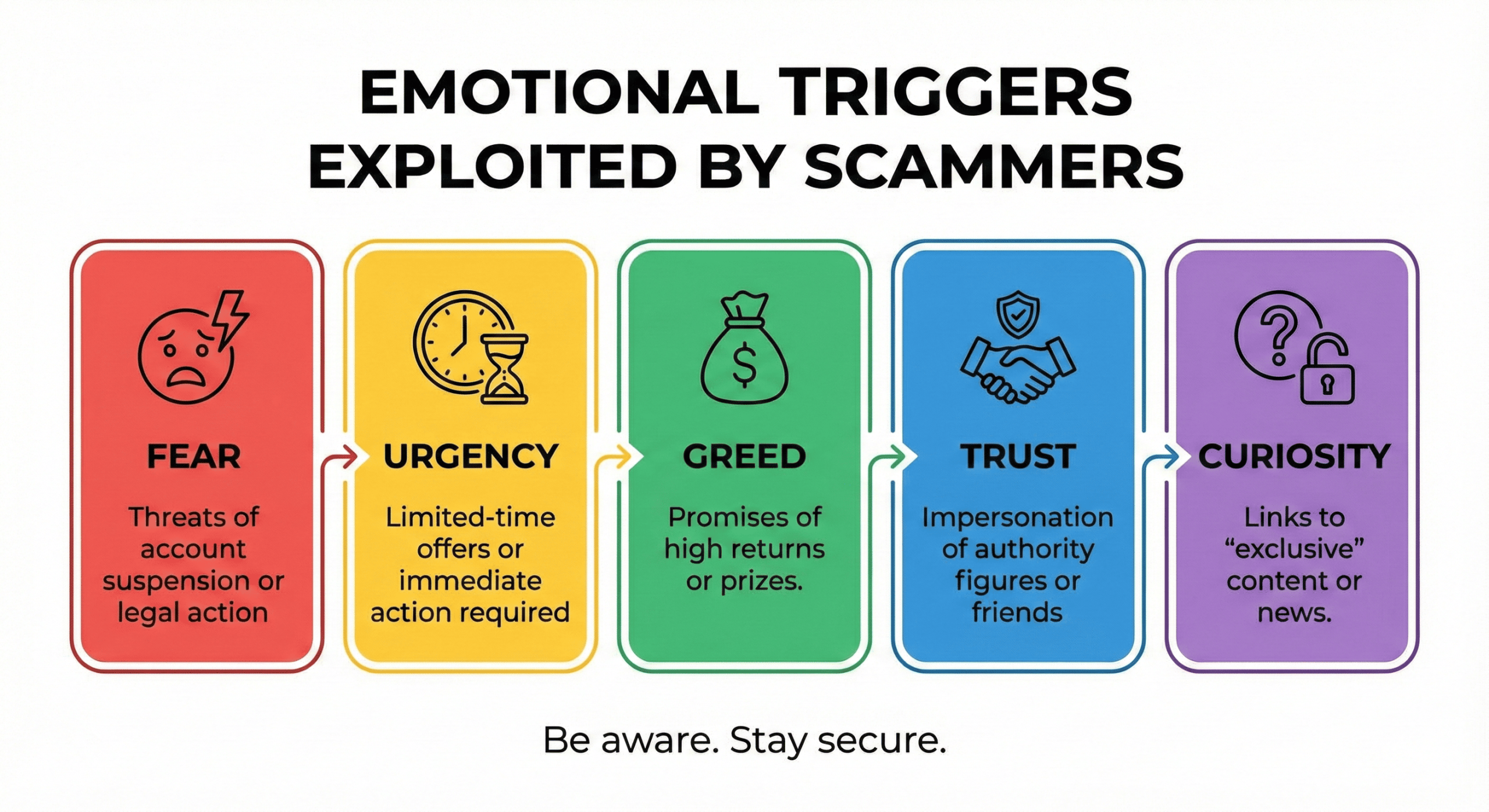
Most people assume a scam succeeds because victims didn’t analyze the situation well enough. But scammers don’t attack the logical part of the brain first. They go after emotions. Their messages are crafted to trigger fear, urgency, affection, or sympathy responses that override rational thinking. Even smart people struggle when emotions take the lead. Studies show that when the brain experiences emotional stress or excitement, cognitive reasoning temporarily weakens.
Scammers know this and intentionally design interactions that feel personal and emotionally charged. Whether it’s a fabricated crisis, romantic attention, or an opportunity that feels too good to be true, their goal is the same: make you feel first, think later. Intelligence protects against bad decisions, but emotions often determine when a decision is made.
Why Scam Victims Are Often High Achievers
It surprises many people to learn that high achievers professionals, entrepreneurs, academics are frequently targeted in scam operations. The reason is simple: scammers see them as ideal victims. High achievers usually multitask, manage pressure, and trust their instincts. This confidence creates a false sense of security.
Scammers exploit this by crafting stories that align with a person’s routines or values, making the deception feel believable. Another factor is busyness; intelligent people with demanding careers don’t always have time to deeply analyze every message or online interaction.
Scammers thrive in these gaps, slipping in emotional hooks when their targets are tired, distracted, or overwhelmed. Intelligence helps you solve problems but it doesn’t make you immune to timing, fatigue, or human feelings.
How Scam Artists Use Trust to Their Advantage
Trust is one of the strongest emotional bonds humans form and scammers rely heavily on it. They study how people communicate, what they value, what they fear, and how they respond to affection or authority. Then they mirror those traits to build trust quickly. A scam often starts with harmless conversation, kindness, and consistency. These early interactions seem genuine, which leads the victim to drop their guard. Smart people often trust others based on patterns of reliability, not isolated incidents.
Scammers know this and put in the effort to appear dependable. They send messages on time, remember details, and create emotional familiarity. Once trust is formed, even intelligent individuals find it hard to imagine betrayal because their brains are conditioned to trust patterns, not question them.
How Scam Operations Exploit Human Psychology
A modern scam is built on psychology more than technology. Scammers understand cognitive biases and how they influence decision-making. For example, the “halo effect” makes people assume that someone who appears attractive, kind, or successful must also be trustworthy.
The “reciprocity principle” pushes victims to give back when someone shows affection or support. The “confirmation bias” makes people interpret information in a way that supports what they want to believe like thinking a long-distance lover is genuine because they say the right things. Even smart individuals fall into these traps because cognitive biases are natural, universal, and deeply human. Scammers don’t need to outsmart your intelligence they only need to outmaneuver your instincts.
How Social Engineering Makes Any Scam Feel Personal
Today’s scammers excel at something called social engineering manipulating people based on behavior, personal data, or emotional tendencies. A scam built through social engineering feels shockingly real because it mirrors your habits. Scammers collect information from social media, public records, and online interactions. They learn your interests, lifestyle, career, and vulnerabilities. The more they know, the easier it is to create a convincing story that feels “meant for you.”
This personalization doesn’t only fool the naïve; it fools the emotionally overwhelmed, the empathetic, and even the extremely logical. When a scam fits your expectations perfectly, you stop looking for the flaws. You become invested. And smart people get scammed because they don’t expect manipulation tailored so specifically to their lives.

Why Shame Prevents Smart People From Admitting They Were Scammed
One painful truth is that many intelligent victims of a scam remain silent. They feel embarrassed or believe they “should have known better.” This silence allows scammers to continue harming others. But the shame is misplaced. Scammers are professionals trained, organized, and psychologically skilled. Falling for a scam is not a sign of weakness; it’s a sign of being human.
Anyone with emotions, empathy, or trust can become vulnerable. When smart people hide their experiences, they deny others the chance to learn from them. Remember: acknowledging you were scammed is empowerment, not failure. Your story could be the warning someone else desperately needs.
How to Recognize and Prevent a Scam Before It’s Too Late
Protecting yourself from a scam begins with awareness and emotional boundaries. Slow down conversations that feel rushed or intense. Question inconsistencies. Avoid sending personal information or financial help to people you’ve never met in person. Use reverse image searches, verify accounts, and ask trusted friends for opinions.
Most importantly, pay attention to your emotions if something feels unusually urgent, secretive, or emotionally heavy, pause and analyze. Scammers manipulate feelings, not logic. The more aware you are of your emotional triggers, the harder it becomes for anyone to exploit them.
- Never make financial decisions under emotional pressure
- Avoid secrecy scammers hate when you tell others
- Question perfect stories and perfect people
- Verify identities through video calls or real-world proof
- Recognize emotional manipulation early
FAQs
Can smart people really get scammed easily?
Yes. Scammers target emotions, not intelligence. When someone feels lonely, rushed, hopeful, or stressed, their guard lowers making even logical people vulnerable.
What type of scams affect smart individuals the most?
Romance scams, investment scams, phishing, and social-engineering scams often target educated or busy people who trust quickly in familiar patterns.
How can smart people avoid getting scammed?
Slow down emotionally intense conversations, verify identities, question inconsistencies, and avoid secrecy. Awareness and emotional control are your strongest defenses.